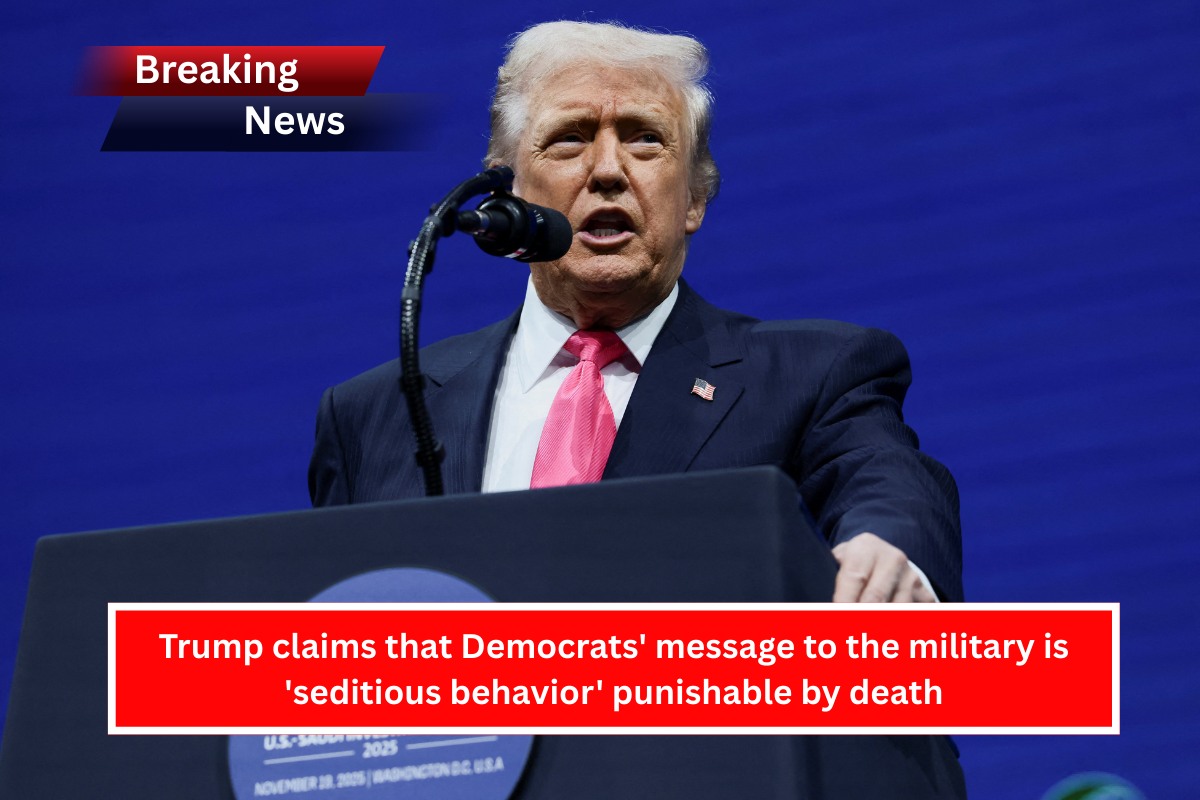
Tensions are rising in Washington after former President Donald Trump accused six Democratic lawmakers of “seditious behavior” — a serious charge that he said is “punishable by death.” The accusation came in response to a short video posted by the lawmakers urging U.S. military troops to follow the Constitution and defy any unlawful orders. The video has sparked heated debates on military duty, political speech, and the limits of presidential power.
What Was in the Lawmakers’ Video?
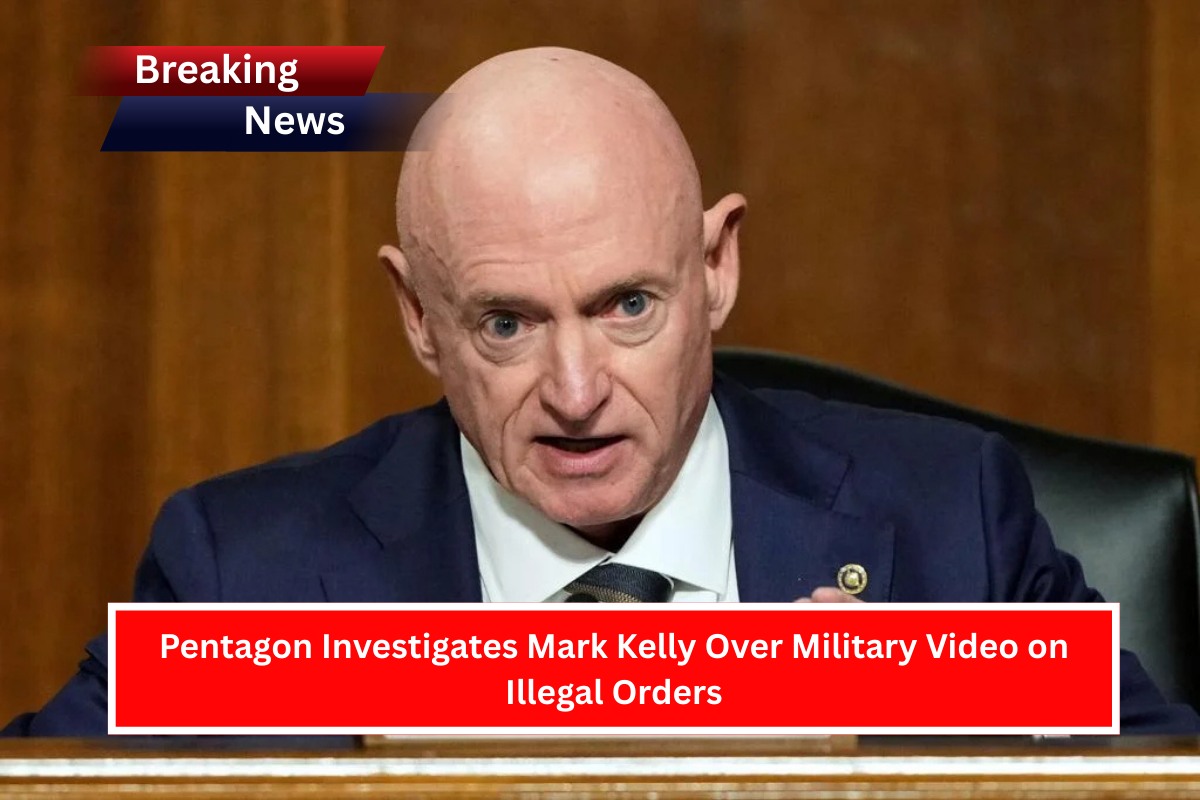
The 90-second video was posted on social media by Senator Elissa Slotkin and featured five other Democrats — Senator Mark Kelly and Representatives Jason Crow, Chris Deluzio, Maggie Goodlander, and Chrissy Houlahan. All six are veterans or former intelligence officers.
In the video, they spoke directly to military service members, reminding them of their oath to the Constitution. They did not mention any specific order or event, but they strongly suggested that troops should stand up for democratic values and not blindly follow unlawful instructions.
Some key lines included:
- “The American people need you to stand up for our laws and our Constitution.”
- “You can and must refuse illegal orders.”
- “Don’t give up the ship.”
While the message may sound straightforward, it touched a nerve in the current political climate.
Trump’s Explosive Reaction
Former President Trump responded quickly and aggressively. On Thursday, he reposted multiple messages about the video on his social media account and added his own comments:
- “SEDITIOUS BEHAVIOR FROM TRAITORS!!!”
- “LOCK THEM UP???”
- “SEDITIOUS BEHAVIOR, punishable by DEATH.”
He also reposted a supporter’s post that said, “HANG THEM GEORGE WASHINGTON WOULD!!”
These comments were widely condemned by Democrats, who accused Trump of fueling political violence. Senate Democratic Leader Chuck Schumer warned that Trump was “lighting a match in a country soaked with political gasoline.”
Are the Lawmakers Really Encouraging Rebellion?
According to legal experts and military professionals, the message in the video is not new or illegal. U.S. military personnel are trained to obey legal orders — but they also have a duty to reject illegal ones.
This principle is part of military law and international law. It’s why soldiers can’t defend their actions by saying “I was just following orders” if those orders were criminal — a concept known as the Nuremberg Defense, after the trials of Nazi officers after World War II.
The organization “The Steady State,” made up of over 300 national security professionals, released a statement supporting the lawmakers. They said the message was “a restatement of what every officer and enlisted servicemember already knows.”
How Did the Trump Administration and Allies Respond?
The Trump camp, however, saw it very differently. White House deputy chief of staff Stephen Miller called the video “a general call for rebellion.” Speaker Mike Johnson said the video was “wildly inappropriate,” though he didn’t think Trump was literally calling for violence.
Defense Secretary Pete Hegseth dismissed the video as “Stage 4 Trump Derangement Syndrome,” suggesting the lawmakers were overreacting to Trump’s actions.
Press Secretary Karoline Leavitt said during a briefing that encouraging troops to question commands was “a very dangerous thing” and “perhaps punishable by law.”
What Does the Law Actually Say?
The Uniform Code of Military Justice (UCMJ) lays out the legal duties of troops, including these key points:
- Article 90: Troops can be punished for willfully disobeying a lawful command from a superior officer.
- Article 92: Disobeying any lawful order can lead to criminal charges.
- However, troops must reject unlawful orders, especially those that go against the Constitution or result in war crimes.
While commanding officers have legal advisers to help them judge the legality of an order, lower-ranking soldiers often don’t. This makes it hard for them to know when to follow or refuse a command, putting them in a tough spot.
Where Does This Go From Here?
The political divide on this issue is sharp. Democrats say Trump’s reaction is dangerous and authoritarian. Republicans argue that the lawmakers crossed a line by even suggesting troops should question commands.
Legal scholars are also split. Some believe the lawmakers were simply exercising their free speech. Others worry that such messages might erode discipline in the armed forces, especially during tense times.
No charges have been filed, and it remains unclear whether Trump’s threats have any legal basis. But one thing is certain — this debate has exposed deep cracks in America’s political and military systems, and the conversation around lawful orders, military duty, and political influence is far from over.