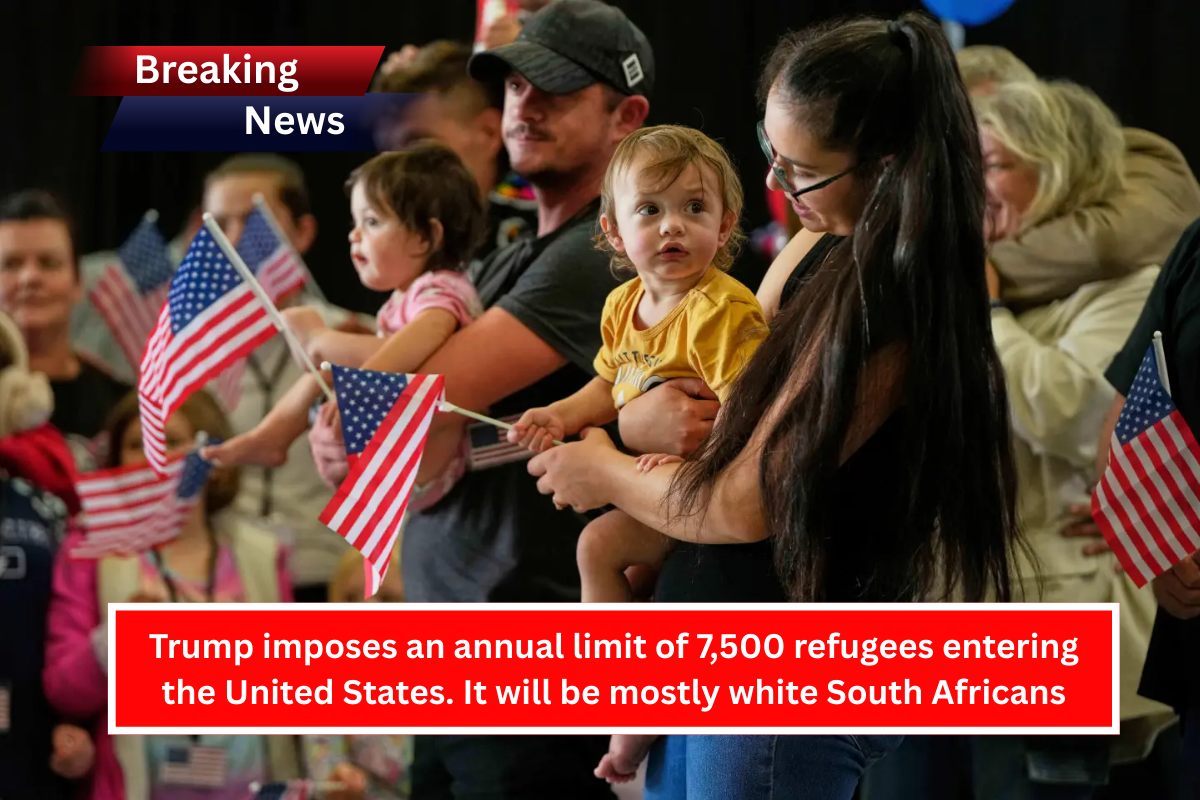
The United States has long been known as a place of refuge for people escaping war, persecution, and oppression. But that reputation is now under serious question after the Trump administration announced it will drastically reduce the number of refugees allowed into the country — and prioritize white South Africans over all others.
With the refugee cap for the 2026 fiscal year set at just 7,500, down from 125,000 the year before, this decision marks the lowest limit since the U.S. refugee program began in 1980. And by focusing mainly on white South African farmers, also known as Afrikaners, the policy has drawn strong criticism from humanitarian groups, legal advocates, and global rights organizations.
A New Refugee Policy That Breaks from Tradition
The decision was quietly published in the Federal Register, without any official explanation or public statement. It states that 7,500 refugees will be accepted “justified by humanitarian concerns or the national interest,” but the only group specifically mentioned is white South Africans.
While the notice mentions “other victims of discrimination,” it doesn’t name who they might be, leaving out any clear path for refugees from war-torn countries like Syria, Sudan, or Afghanistan.
Key changes in this new policy:
- Refugee cap dropped to 7,500 — a historic low
- Priority given to white South Africans
- No mention of Afghans, Syrians, or other high-risk populations
- Continues trend of reducing refugee admissions since 2017
Widespread Backlash from Rights Groups
Humanitarian organisations were quick to condemn the move. Global Refuge CEO Krish O’Mara Vignarajah said the decision “lowers our moral standing” and undermines the very purpose of the refugee program — to help the most vulnerable, regardless of background.
Other groups, like the International Refugee Assistance Project, also pointed out that thousands of refugees have already cleared intense U.S. security checks but are still left stranded in dangerous places. Their president, Sharif Aly, accused the administration of politicising a humanitarian program and ignoring refugees who have followed the rules for years.
What About Afghan Refugees?
Many advocates were especially angered by the complete omission of Afghans from the refugee list — especially those who worked with U.S. forces during the war. Since the U.S. military withdrawal in 2021, thousands of Afghans have been at risk under Taliban rule and have been trying to seek safety in America.
While a separate program still exists for Afghan allies, many others who supported U.S. efforts in different ways — like working for NGOs or foreign aid organisations — are left out.
Shawn VanDiver, who leads #AfghanEvac, called it a “horrendous betrayal.” In a video posted online, he said:
“This means that the president and the White House … are not going to allow Afghan refugees to come here. This is a really bad day.”
Why Focus on White South Africans?
The Trump administration first floated the idea of prioritising white South African farmers in February, claiming they faced discrimination and violence in their homeland. However, the South African government strongly rejected those claims, calling them exaggerated and politically motivated.
Critics say the policy is part of a broader effort by Trump to reshape the refugee and immigration system to favour certain groups while excluding others — particularly from non-Western, Muslim-majority, or African countries.
What This Means for the U.S. and the World
This shift is not just about numbers — it signals a philosophical change in how the United States views its role in the global refugee crisis. The refugee program once enjoyed bipartisan support, with presidents from both parties helping people from all over the world escape persecution.
But under the Trump administration:
- The program was suspended on Day 1 of his presidency
- The cap has been lowered year after year
- Refugee admissions now seem to favour race and politics, rather than need and vulnerability
This drastic change in U.S. refugee policy — prioritising one group while shutting out thousands of others — sends a strong message to the world. It challenges the country’s long-standing values of compassion and equal treatment for all who seek protection. While the administration may argue that the decision is based on national interest, critics argue it reflects a narrow, exclusionary view of who deserves refuge in America — and at what cost.