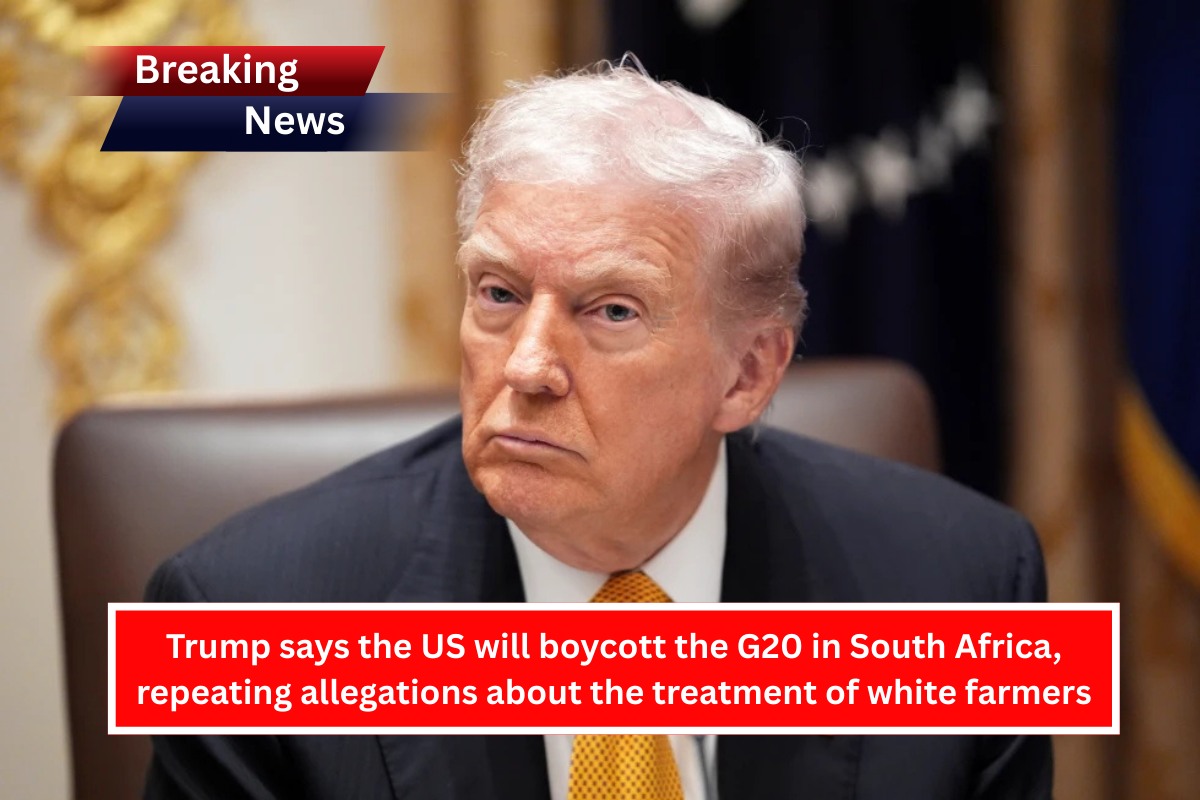
In a move that has added fuel to an already tense diplomatic situation, President Donald Trump has announced that no U.S. officials will attend this year’s G20 summit in South Africa, citing what he called the country’s mistreatment of white Afrikaner farmers. The decision has sparked international debate, with critics calling it politically motivated and based on disputed claims of discrimination.
This is the first time in recent history that the United States will be entirely absent from a G20 summit — an annual gathering of the world’s most powerful economies — and it marks a deepening of the Trump administration’s controversial foreign policy shift around race, immigration, and global alliances.
Trump Cancels U.S. Presence at G20 Over White Farmer Issue
Trump had already said he would not be attending the G20 summit personally. But it was expected that Vice President JD Vance would go in his place. That plan has now been scrapped. A source close to Vance confirmed he will not be making the trip.
In a post on his social media platform, Trump wrote:
“It is a total disgrace that the G20 will be held in South Africa… abuses against Afrikaners include violence, death, and land seizures.”
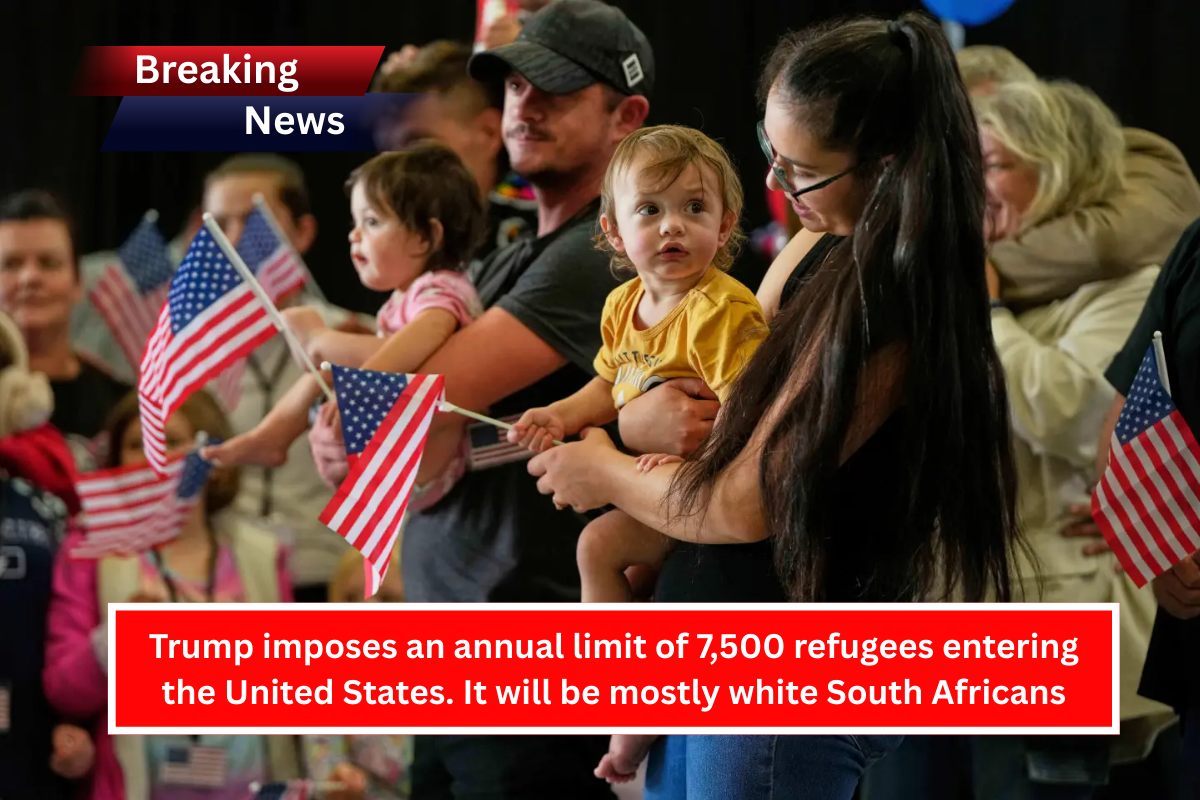
The U.S. administration has made similar claims before — alleging that white South African farmers are victims of state-supported violence and unfair land redistribution policies. These accusations have been used by the administration to justify refugee policy changes, including a sharp cut in total admissions to just 7,500, most of whom are now expected to be white South Africans.
South Africa Responds: “False and Misleading”
South African President Cyril Ramaphosa has strongly denied the claims of discrimination against Afrikaners. According to Ramaphosa:
- The accusations are “completely false.”
- White South Africans, while a minority, still enjoy a higher standard of living than most Black South Africans.
- The country is working toward land reform in a legal and constitutional manner, aiming to correct historical injustices without targeting any race.
South Africa also expressed surprise and disappointment at the U.S. decision to boycott the G20. Many in the international community view the G20 as a crucial platform for economic collaboration, especially during times of global uncertainty.
U.S. Pushes a New Foreign Policy Narrative
This latest decision reflects a broader pattern under the Trump administration:
- Prioritising white South Africans in U.S. refugee policy.
- Cutting ties with global forums that focus on diversity, inclusion, and climate change.
- Increasing unilateral actions based on perceived national interest, even when disputed by international evidence.
Earlier this year, Secretary of State Marco Rubio also skipped a G20 foreign ministers’ meeting in protest of its agenda, which included topics like climate change and racial equity — subjects the Trump administration has repeatedly downplayed or rejected.
Criticism from Rights Groups and Allies
Human rights groups, immigration advocates, and foreign policy experts have slammed the G20 boycott as yet another example of the Trump administration injecting race into foreign policy decisions.
Critics argue that:
- The claims about Afrikaner persecution are not backed by independent data.
- U.S. foreign policy appears to be selectively humanitarian, favouring one racial group over others.
- Ignoring global challenges like climate change and inclusive development weakens America’s credibility and leadership.
What This Means for Global Relations
The U.S. absence at the G20 summit is more than symbolic — it signals a deepening divide between the U.S. and its global allies. With key issues like economic stability, energy security, and digital cooperation on the agenda, many worry that America’s withdrawal will leave space for other powers like China and Russia to exert more influence.
Furthermore, critics warn that framing foreign policy around disputed racial narratives could undermine decades of U.S. diplomacy, particularly in Africa where relationships have long been built on partnership and mutual development goals.
President Trump’s decision to boycott the G20 summit in South Africa over claims of discrimination against white Afrikaners is not just a diplomatic snub — it’s a defining moment in how his administration is reshaping American foreign policy. By mixing domestic political messaging with international diplomacy, the U.S. risks further isolating itself on the world stage. As the global landscape shifts, allies and rivals alike are watching closely to see what America stands for — and who it stands with.