
Republican Rep. Marjorie Taylor Greene of Georgia has announced she will step down from Congress on January 5, well ahead of the end of her current term. In a surprise move, Greene also confirmed that she will not endorse any candidate in the upcoming special election to fill her seat in Georgia’s 14th Congressional District.
The decision marks the end of a turbulent and high-profile chapter in American politics — one marked by controversy, national attention, and, more recently, public tensions with former President Donald Trump.
Greene Steps Down Before End of Term
Greene, who was first elected in 2020 and re-elected in 2024, had been expected to serve until early 2027. But in a Friday announcement, she confirmed her departure just two years into her current term. No specific reason was provided for the early resignation, though the move comes amid escalating criticism from Trump and internal divisions within the Republican Party.
Greene said in a statement:
“Looking ahead towards the Special Election for my Congressional seat, I will not be endorsing anyone out of respect to my district. I truly support the wonderful people of Georgia 14 and want them to pick their Representative.”
She also warned that anyone claiming to have her endorsement is not telling the truth.
Tensions with Trump Continue
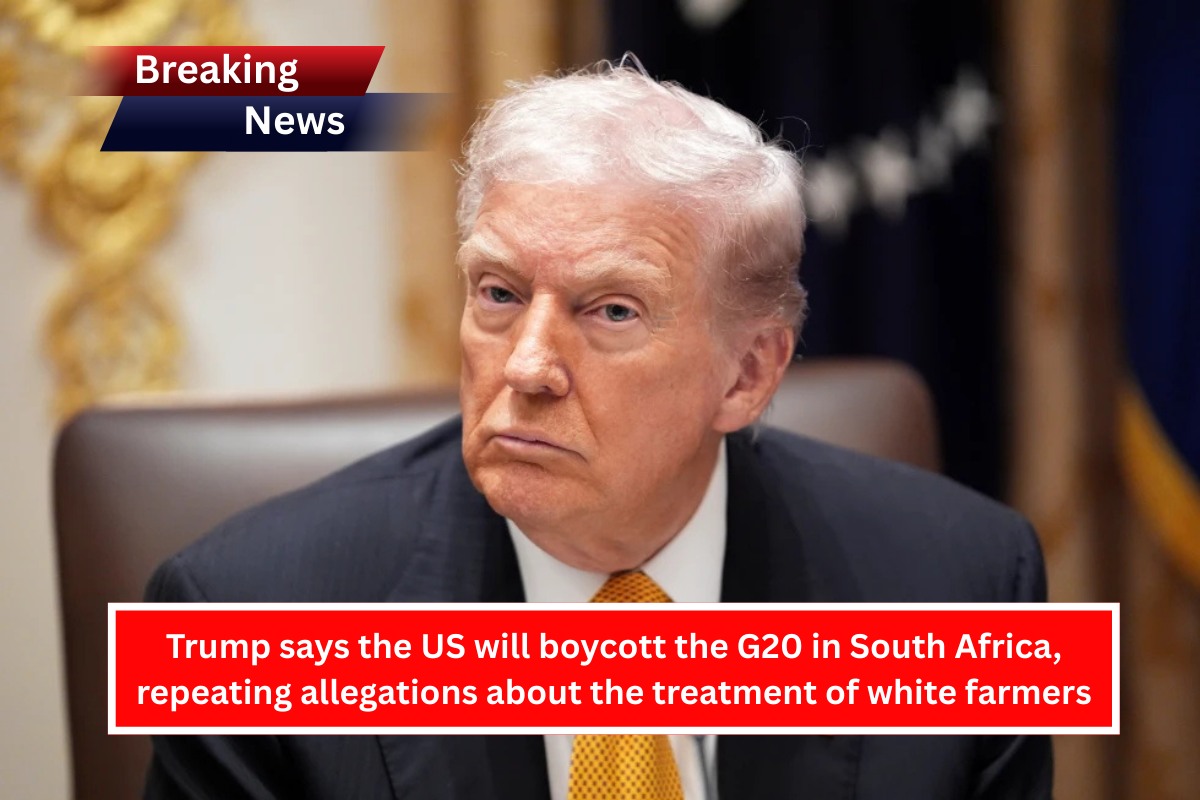
Greene’s resignation follows a public falling-out with former President Trump. On his social media platform, Truth Social, Trump has repeatedly attacked the congresswoman, even referring to her as “Marjorie ‘Traitor’ Brown” — a play on her full name, Marjorie Taylor Greene.
While Greene had previously aligned herself closely with Trump’s MAGA movement, recent months have seen growing friction. The reasons for Trump’s attacks remain unclear, but they appear to reflect broader rifts within the Republican Party’s far-right base.
Greene Rules Out a Presidential Run
As speculation swirled about her political future, Greene addressed rumors that she might run for president — and firmly shut them down.
In a lengthy post on X (formerly Twitter), she wrote:
“Running for President requires traveling all over the country, begging for donations… destroying your health… and going to work in a system that refuses to fix any of America’s problems. That’s exactly why I would never do it.”
She added:
“I’m not the kind of person who is willing to make the deals that must be made in order to be allowed to have the title.”
Her statement reflects a deep frustration with Washington — a message that has been a hallmark of her political brand since entering Congress. While some critics accuse her of divisiveness, Greene portrays herself as someone unwilling to compromise on principle, even if it means walking away from political power.
Special Election to Replace Greene
With her resignation date now confirmed, attention turns to the special election that will be held to fill Georgia’s 14th Congressional District seat. The district, located in northwest Georgia, is considered safely Republican, but the lack of an endorsement from Greene opens the door for a more competitive primary.
While no candidates have officially declared, several local Republicans and conservative activists are expected to enter the race in the coming weeks.
Key points about the special election:
- Greene’s early resignation will trigger a governor-called special election under Georgia law.
- The race could attract national attention, given Greene’s high profile.
- With Greene stepping aside and refusing to endorse, the field may lack a clear frontrunner.
Marjorie Taylor Greene’s resignation marks a significant shift in the political landscape, particularly for the far-right wing of the Republican Party. Her decision to walk away from Congress — without endorsing a successor and while under public attack from Donald Trump — reflects both her personal disillusionment and the deeper fractures within the GOP.
As Georgia’s 14th District prepares for a special election, the spotlight will remain firmly on who steps forward — and whether Greene’s absence changes the tone and direction of the party she once loudly represented.