The G20 summit in Johannesburg has officially ended — and while it marked a historic first for Africa as host, it was also defined by a major absence: the United States. As the world’s largest economy and the incoming chair of the G20, the U.S. boycott under President Donald Trump cast a long shadow over two days of high-level global discussions.
This unprecedented decision came amid ongoing diplomatic tensions between the Trump administration and South Africa’s government, driven largely by Trump’s disputed claims that South Africa is persecuting its white Afrikaner minority.
U.S. Boycott Overshadows Historic African Summit
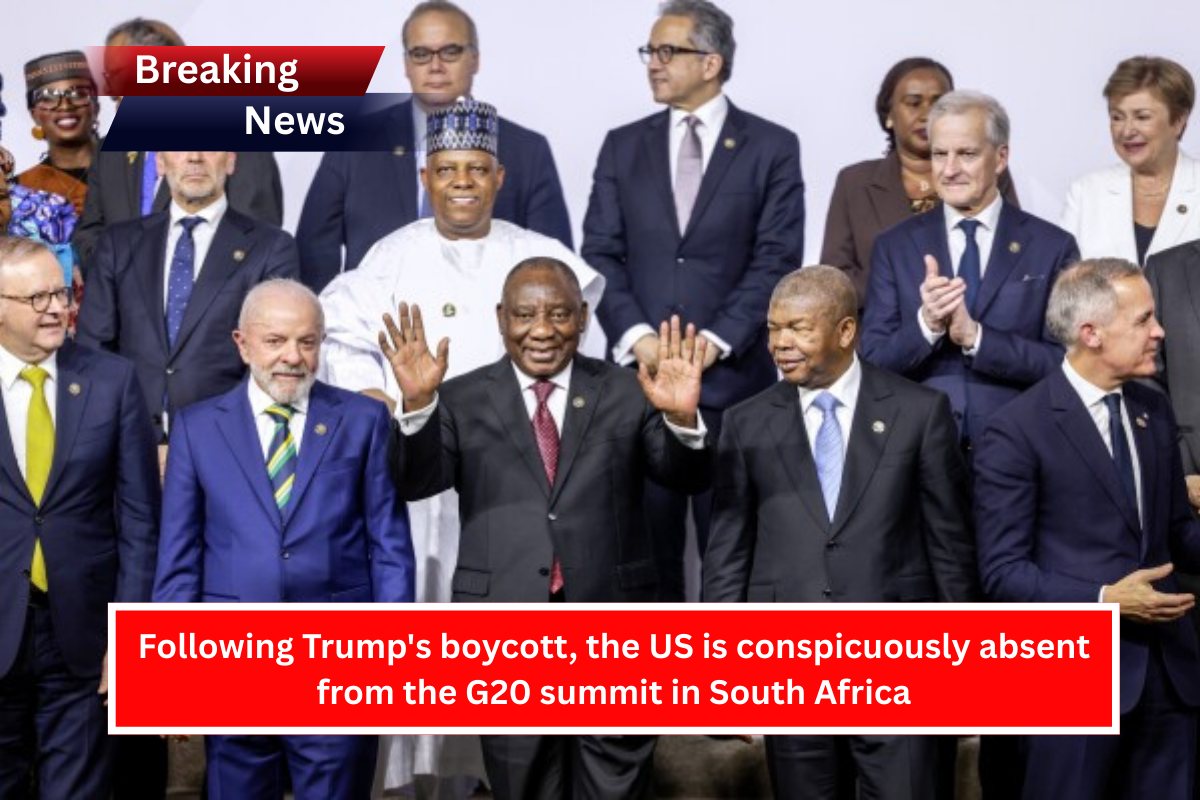
South African President Cyril Ramaphosa officially closed the summit on Sunday, banging a wooden gavel in the traditional G20 gesture. But the usual handover to the next host nation — in this case, the U.S. — didn’t happen. With no official U.S. delegation present, the gavel remained in South African hands.
The White House reportedly attempted to send a low-level embassy official at the last minute, but South Africa rejected the move as “an insult.” As a result, the handover will be delayed and likely held privately at South Africa’s foreign ministry.
Ramaphosa acknowledged the absence subtly, stating:
“The gavel… now moves on to the next president of the G20, which is the United States, where we shall see each other again next year.”
Trump’s Justification for Skipping the G20
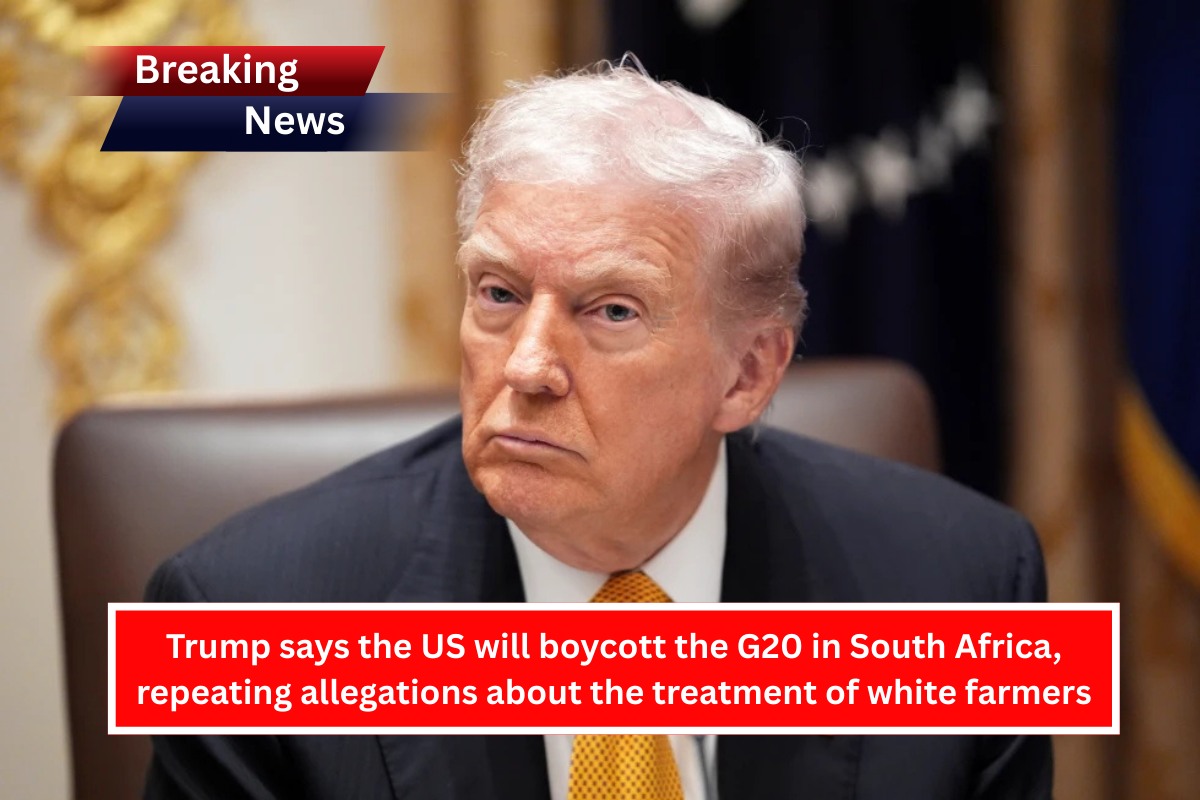
President Trump previously announced that he and Vice President JD Vance would skip the summit over claims that South Africa’s Black-led government was committing “violence, death and land confiscation” against white South Africans — claims widely rejected by international observers, South Africa’s government, and even several U.S. allies.
This boycott continues Trump’s pattern of isolationist foreign policy, particularly when multilateral discussions include climate change, social justice, and wealth inequality — themes that were central to this year’s G20 agenda and which Trump has long opposed.
G20 Declaration Issued Despite U.S. Opposition
In a break from tradition, the G20 Leaders’ Declaration was released on the summit’s opening day, rather than the end. The move reflected a clear push to move ahead without U.S. input.
Supported by China, Russia, the EU, France, Germany, Canada, Japan, and others, the 122-point declaration included:
- A strong focus on climate finance for poor countries.
- Calls to address global wealth inequality.
- Support for green energy transitions in the developing world.
- A general plea to end global conflicts, with only one passing mention of the Ukraine war.
Argentina also opposed the declaration, with President Javier Milei — a Trump ally — skipping the summit as well.
Despite some gaps in concrete policy action, South Africa celebrated the declaration as a victory for African and Global South priorities.
Ramaphosa’s Leadership Applauded
President Ramaphosa was visibly relieved as the summit closed, caught on a hot mic saying:
“It was not easy.”
He was congratulated by fellow leaders for successfully hosting a landmark summit despite the American absence. The gathering included over 20 invited non-G20 nations, giving smaller African and developing countries a platform on the global stage.
Mixed Reactions to the G20’s Effectiveness
While the Johannesburg summit was symbolic and marked a turning point in African participation in global affairs, the G20 continues to face questions about its effectiveness:
- The declaration lacked binding agreements.
- There was no major breakthrough on conflicts like Ukraine or Gaza.
- Proposals like a global inequality panel did not make the final cut.
French President Emmanuel Macron admitted the bloc was “struggling to have a common standard” on major geopolitical issues, highlighting internal divides among G20 members.
Symbolism Matters
Still, many believe the summit sent an important message. Oxfam’s Max Lawson called it the first time inequality was central to a global leaders’ summit. Namibian President Netumbo Nandi-Ndaitwah said that amplifying African voices on the world stage was vital — especially in tackling long-standing issues of debt, development, and climate justice.
What’s Next for the U.S. and the G20?
Despite the boycott, the United States is still set to chair the G20 in 2027, and President Trump has announced that the summit will be held at his Doral golf resort in Florida. However, the lack of participation in this year’s summit raises serious concerns about America’s credibility as a global leader going into its turn as G20 president.
As the G20 rotates leadership, it remains to be seen whether the group can maintain its relevance — especially if powerful members like the U.S. increasingly retreat from the table.