A small home does not have to feel cramped, dark, or uncomfortable. With the right decorating choices, you can make a compact space feel noticeably larger without knocking down walls or spending a fortune on renovations. The key is to improve visual flow, maximize natural light, reduce clutter, and choose furniture and decor that work with the scale of the room. According to The Spruce, simple strategies such as using a cohesive color palette, choosing appropriately sized furniture, improving lighting, and using mirrors can make a small home appear more spacious.
Whether you live in a small apartment, townhouse, cottage, or compact family home, these ideas can help every room
feel more open and comfortable. The best part is that most of them can be applied without major construction.
1. Choose Light and Consistent Colors
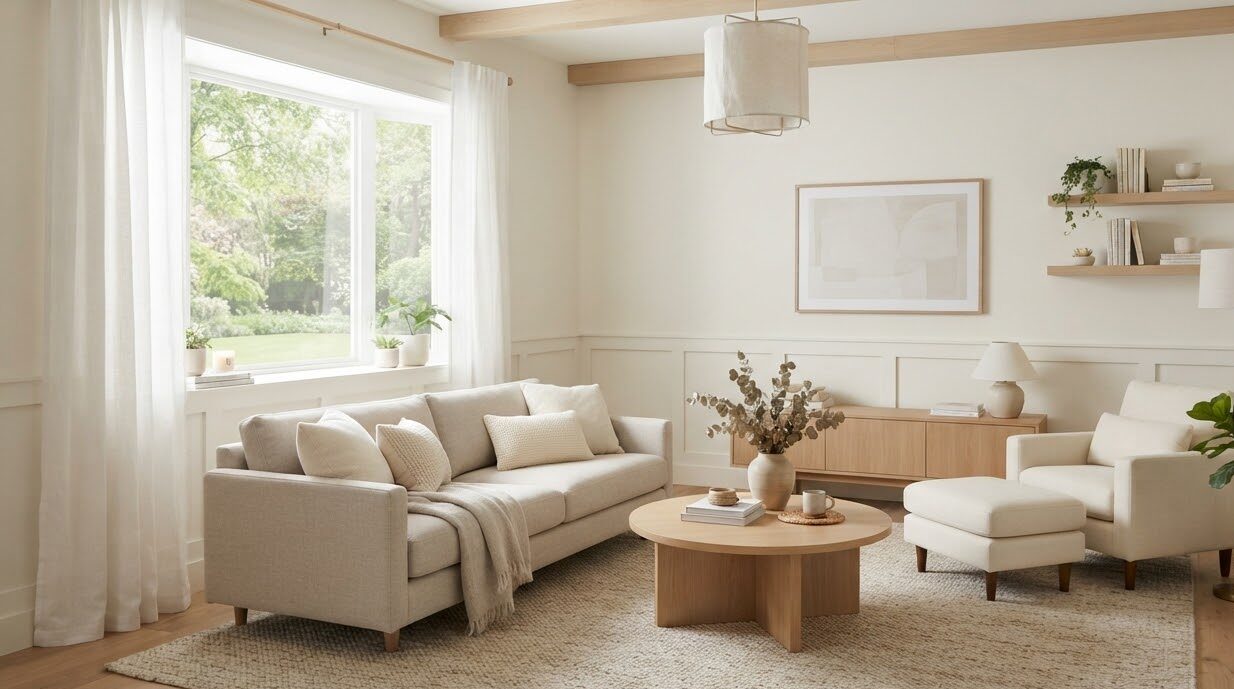
One of the easiest ways to make a home feel larger is to use a light, cohesive color palette.
White, soft beige, pale gray, warm cream, and other light neutrals reflect more light around a room. This can make walls appear farther apart and create a brighter overall atmosphere.
However, you do not necessarily have to paint every room pure white. Warm neutrals can provide the same spacious feeling while making the home feel more comfortable and inviting.
Keep the Color Flow Consistent
Using similar colors throughout connected spaces can also make the home feel larger.
For example, you could use:
- Warm white in the living room
- Cream in the hallway
- Light beige in the dining area
- Pale gray or greige in the bedroom
The goal is not to make every room identical. Instead, choose colors that visually connect one space to another.
When the eye can move easily between rooms without encountering dramatic color changes, the entire home can feel more unified.
Add Color Through Small Details
You can still use stronger colors in a small home. Introduce them through pillows, artwork, rugs, curtains, plants, and decorative objects.
This gives you personality without visually closing in the room.
2. Use Mirrors to Reflect Light and Space
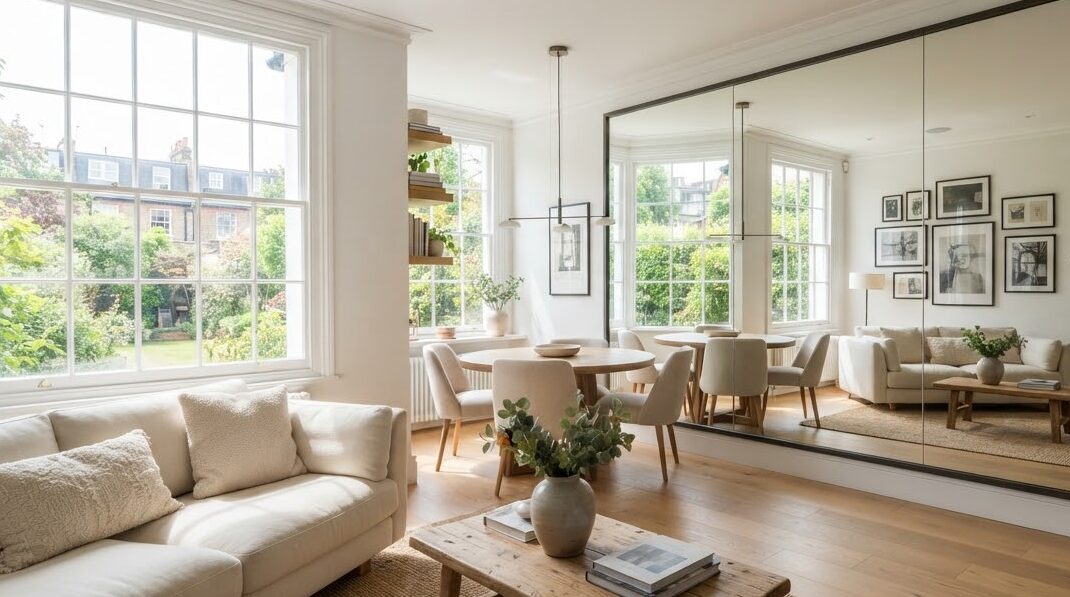
Mirrors are one of the most effective decorating tricks for making a small room appear larger.
A strategically positioned mirror can reflect natural light and create the illusion of another section of the room. Large mirrors are particularly useful because they provide a bigger visual reflection.
Where Should You Put a Mirror?
Consider placing a mirror:
- Opposite a window
- Behind a sofa
- Across from a doorway
- Above a console table
- On a narrow hallway wall
- Behind a dining table
A mirror opposite a window can help bounce daylight into darker areas.
For a dramatic effect, consider a large floor-to-ceiling mirror. In a smaller space, even a generously sized wall mirror can create a noticeable difference.
Choose the Right Frame
The frame should work with your interior style. A thin black frame can suit a modern home, while a wood frame can make a small room feel warmer.
The goal is to enhance the space without adding unnecessary visual weight.
3. Select Furniture That Fits the Room
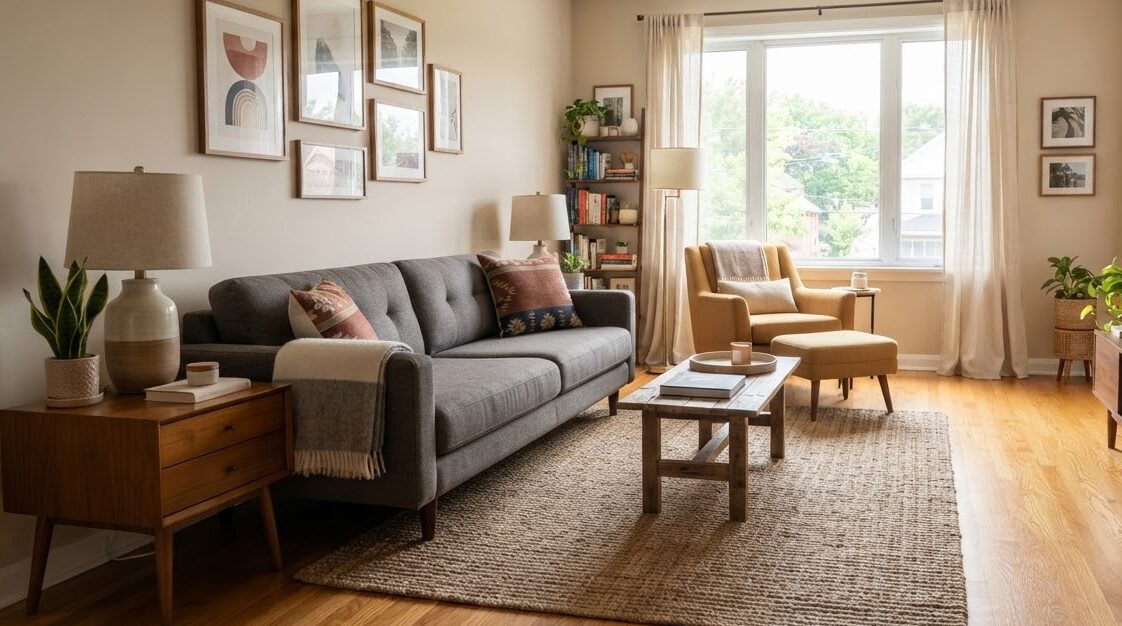
Oversized furniture can make a small home feel even smaller.
A large sectional, bulky coffee table, oversized entertainment center, or massive dining set can quickly consume valuable floor space.
Instead, choose furniture according to the dimensions of the room.
Leave Some Breathing Room
You do not need to fill every corner.
Allowing visible floor around furniture can make the room feel more spacious. This is especially important in living rooms and bedrooms.
Furniture with raised legs can also help because you can see more of the floor underneath.
Consider Multifunctional Furniture
In a small home, furniture should ideally perform more than one job.
Good options include:
- Storage ottomans
- Beds with drawers
- Extendable dining tables
- Nesting tables
- Foldable desks
- Benches with hidden storage
- Sleeper sofas
Multifunctional furniture can reduce the number of separate pieces needed in the room.
4. Declutter and Keep Surfaces Clear
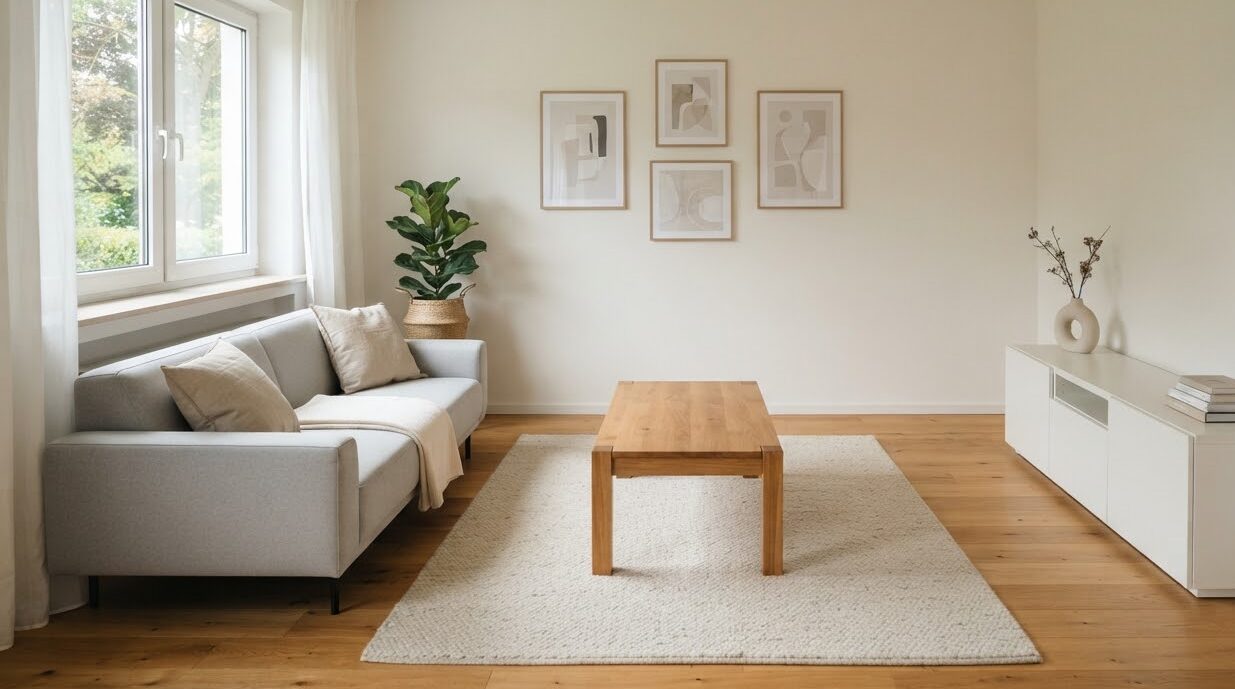
Even a beautifully decorated small home can feel cramped when too many objects are visible.
Clutter takes up visual space, so reducing unnecessary items can make rooms feel instantly calmer and more open.
Start with the surfaces you see every day.
Clear unnecessary items from:
- Kitchen counters
- Coffee tables
- Nightstands
- Bathroom counters
- Entryway consoles
- Open shelves
You do not need an empty home. Instead, choose which objects deserve attention.
Use Closed Storage
Closed cabinets and drawers are particularly useful because they hide everyday clutter.
Baskets can also help organize toys, blankets, magazines, and miscellaneous items while keeping the room visually tidy.
If you have open shelving, avoid filling every shelf. Leave some empty space around books and decorative objects.
That negative space helps the room breathe.
5. Improve the Lighting
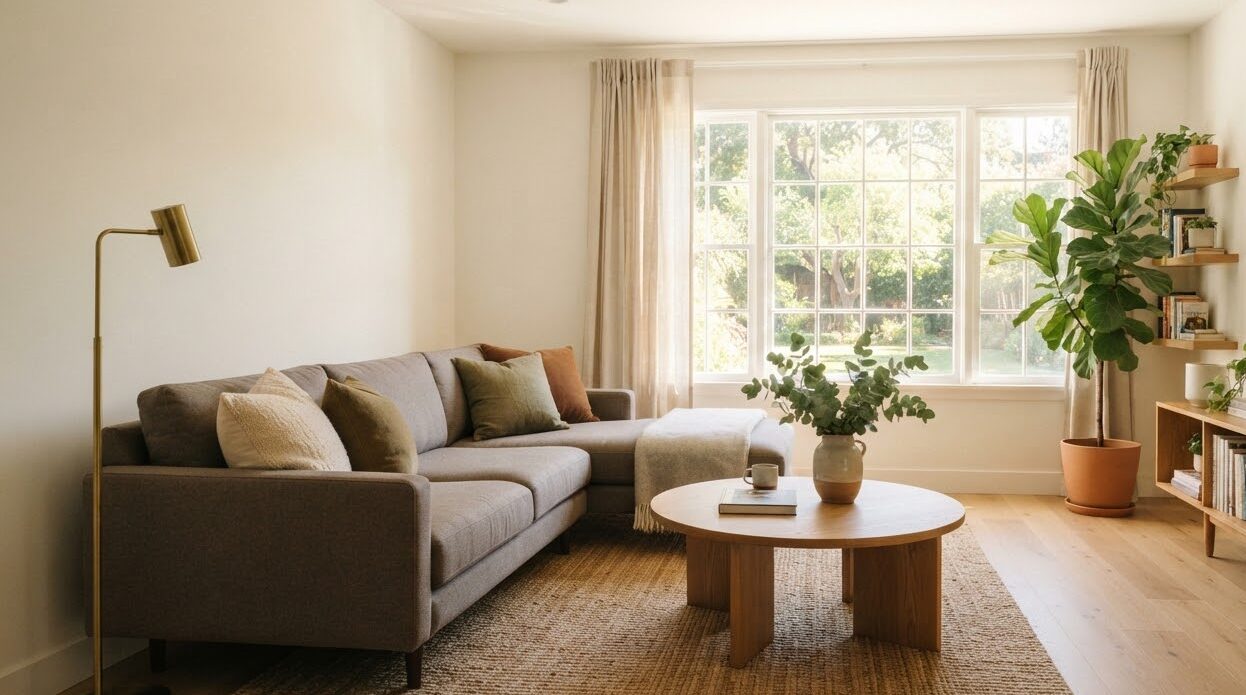
Lighting can completely change how large a room feels.
A dark room tends to feel smaller and more enclosed, while a bright room generally feels more open.
The first step is to make the most of natural light.
Keep Windows Unobstructed
Avoid placing bulky furniture directly in front of windows.
Choose curtains that can open completely, and consider hanging them slightly higher and wider than the window frame. This can make the window appear larger and allow more daylight into the room.
Light-filtering curtains can provide privacy while still allowing natural light to pass through.
Layer Your Lighting
Do not rely on a single ceiling light.
Instead, combine different types of lighting, such as:
- Ceiling fixtures
- Floor lamps
- Table lamps
- Wall sconces
- Under-cabinet lights
- Accent lighting
Layered lighting creates depth and makes different parts of a room feel intentional.
For small rooms, wall-mounted sconces can be particularly useful because they provide illumination without taking up floor or table space.
6. Create More Visual Continuity
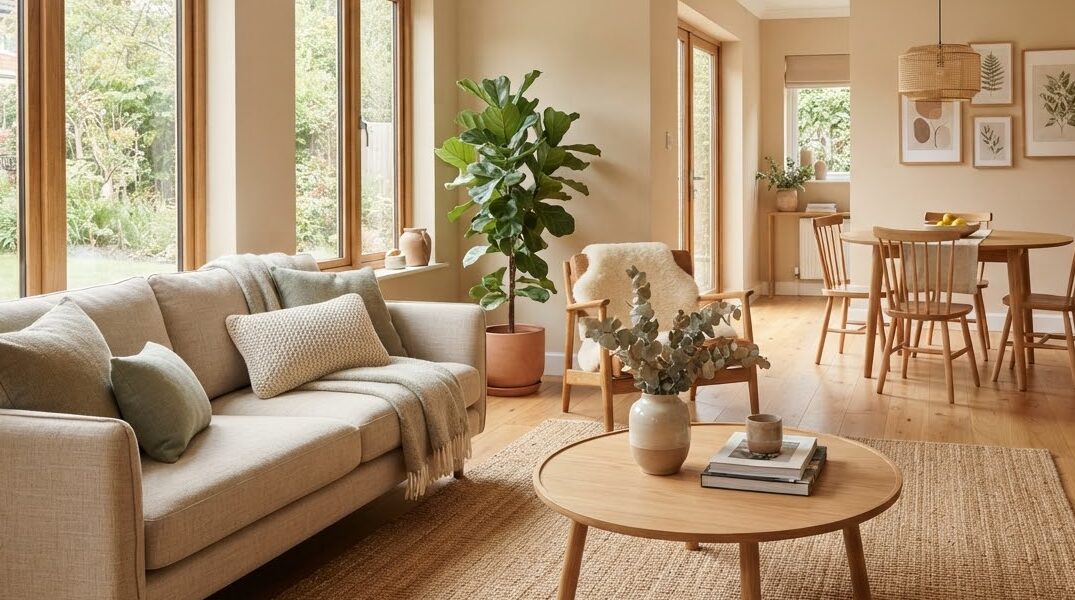
One of the biggest secrets to making a small home feel larger is creating visual continuity.
When flooring, colors, materials, and furniture styles transition smoothly from one area to another, the home can feel like one larger connected space.
Use Similar Flooring
If possible, using the same or similar flooring throughout connected rooms can reduce visual interruptions.
For example, continuous wood flooring through a living room, dining area, and hallway can make these spaces feel connected.
If changing flooring is not practical, use rugs with complementary colors and patterns.
Avoid Too Many Strong Dividers
Every dramatic transition can make a small home feel segmented.
Instead of filling rooms with unnecessary partitions or large pieces of furniture, consider creating subtle zones.
A rug can define a living area. A console can separate an entryway. A narrow bookshelf can create a boundary without completely blocking the view.
How to Make a Small Kitchen Feel Bigger
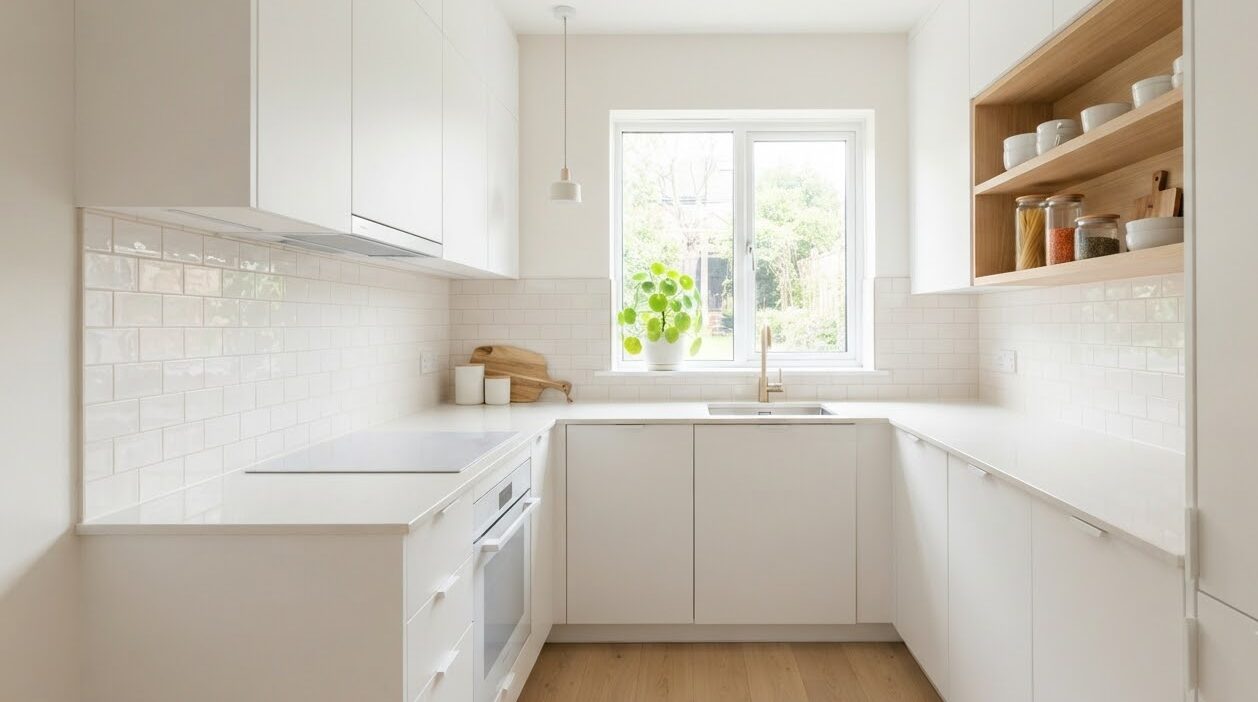
Kitchens can quickly become visually crowded because they contain many appliances and everyday objects.
Start by clearing the countertops.
Store appliances that you do not use every day inside cabinets. Use drawer organizers and vertical storage to make better use of existing space.
Light-colored cabinets can help reflect light, while glass cabinet doors can create visual depth when styled carefully.
Under-cabinet lighting is another useful addition because it brightens countertops without taking up valuable space.
How to Make a Small Bathroom Feel Bigger
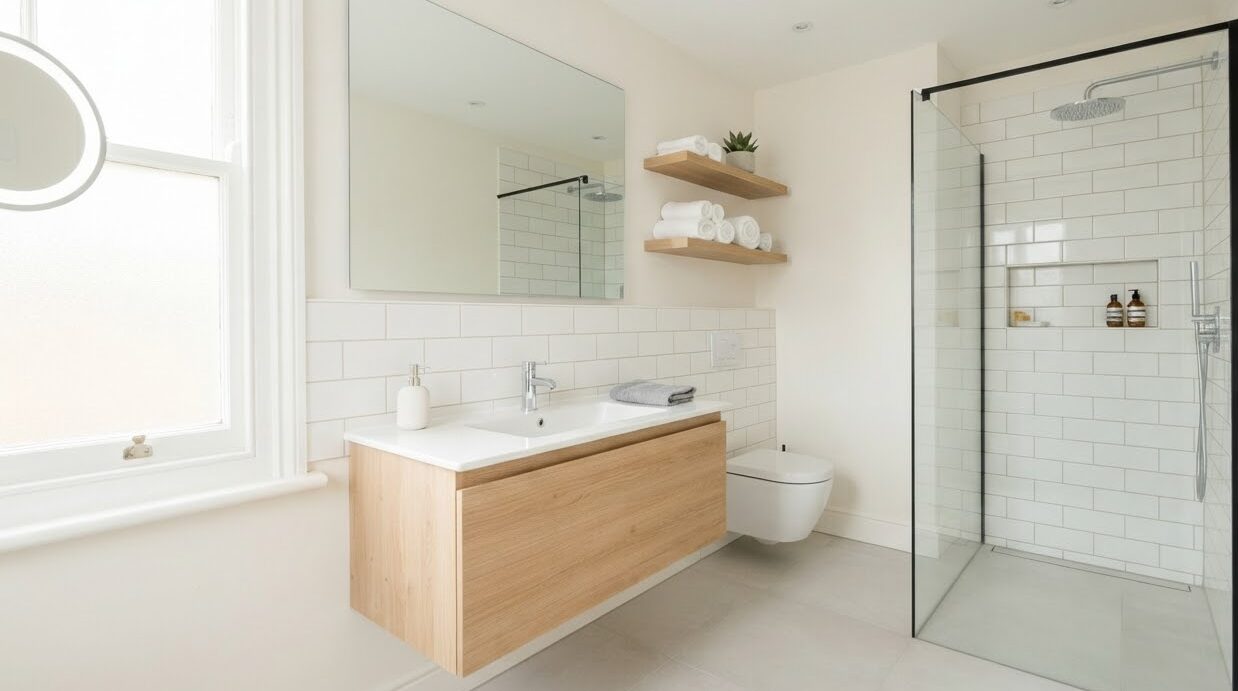
For bathrooms, mirrors and lighting are especially important.
A large mirror above the vanity can visually expand the room, while light wall colors can make the space feel brighter.
Choose streamlined fixtures and avoid unnecessary decorative pieces.
Glass shower doors can also help because they maintain an uninterrupted sightline through the bathroom.
When storage is limited, use vertical shelving rather than adding bulky cabinets that extend into the room.
Final Thoughts
Making a small home feel larger is less about square footage and more about how the space is organized and perceived. Light colors, mirrors, appropriately scaled furniture, smart storage, layered lighting, and visual continuity can work together to create a home that feels brighter, calmer, and more spacious.
You do not have to sacrifice style to make a small home comfortable. By choosing fewer but better pieces, keeping pathways open, maximizing natural light, and giving every item a purpose, you can make even a compact home feel surprisingly open.