
Your bedroom should be more than a place to sleep. It should feel like a peaceful retreat where you can relax, recharge, and escape from the busyness of everyday life. The best bedroom ideas combine comfortable furniture, calming colors, soft lighting, natural textures, smart organization, and personal décor to create a space that feels both beautiful and restful.
You don’t need a huge bedroom or an expensive renovation to create a relaxing retreat. Simple changes such as upgrading your bedding, adding warm lighting, choosing a soothing color palette, introducing plants, or reducing clutter can make a noticeable difference. Whether you prefer modern, minimalist, cozy, luxury, farmhouse, or organic-inspired interiors, the right combination of design elements can turn your bedroom into a space you genuinely enjoy.
1. Start With a Comfortable Bed

The bed is the centerpiece of almost every bedroom, so it should be the first place to focus your attention.
Choose a bed frame that complements your interior style and provides the right amount of visual weight for the room. Upholstered headboards can make a bedroom feel soft and luxurious, while natural wood frames create warmth and a relaxed atmosphere.
For a modern bedroom, simple platform beds with clean lines work beautifully. If you want a more traditional or luxurious appearance, consider a tall upholstered headboard or a statement bed frame.
Most importantly, prioritize comfort. A beautiful bedroom will never feel like a retreat if the bed isn’t comfortable.
2. Choose a Calming Bedroom Color Palette
Color has a major influence on the atmosphere of a bedroom. Soft, muted shades can help create a peaceful and relaxing environment.
Consider colors such as:
- Warm white
- Cream
- Beige
- Soft gray
- Sage green
- Dusty blue
- Taupe
- Soft blush
- Earthy brown
Neutral colors provide a timeless foundation, while muted greens and blues can introduce a subtle connection to nature.
If you prefer darker bedrooms, deep navy, charcoal, or warm brown can create a cozy and sophisticated mood. Balance darker walls with lighter bedding, curtains, or accessories.
3. Layer Your Bedding
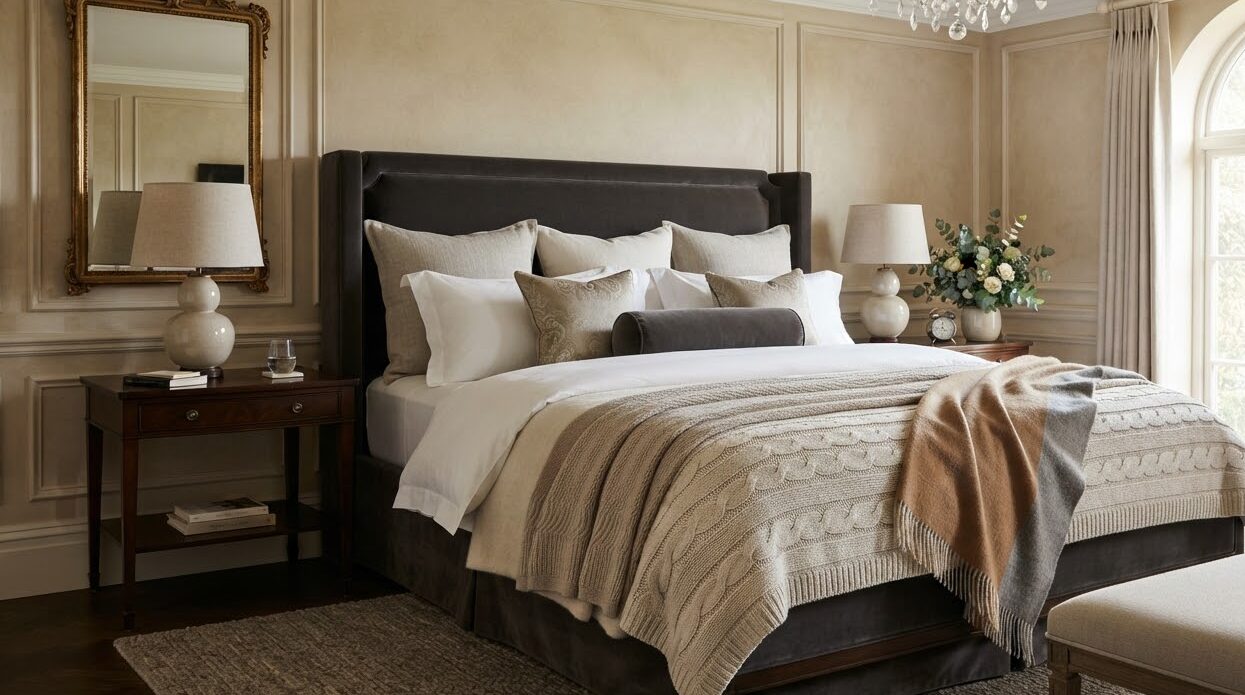
Beautiful bedding can instantly make a bedroom feel more inviting.
Start with comfortable sheets, then layer a duvet or quilt, blanket, and decorative pillows. Mixing different textures creates depth and gives the bed a more luxurious appearance.
For a relaxed bedroom, avoid making the bedding look overly perfect. A casually folded throw blanket or softly arranged pillows can make the room feel more comfortable and lived-in.
Choose colors that complement the walls and furniture rather than matching everything exactly.
4. Add Soft and Warm Lighting
Lighting is one of the most important elements in a relaxing bedroom.
Instead of relying only on a bright overhead fixture, create several layers of lighting. Bedside lamps, wall sconces, floor lamps, and subtle accent lighting can make the room feel warmer and more comfortable.
Warm-toned bulbs are especially useful for creating a cozy evening atmosphere.
Pendant lights or modern chandeliers can also become attractive decorative features. If possible, choose fixtures with dimming capabilities so you can adjust the brightness according to the time of day.
5. Use Natural Materials
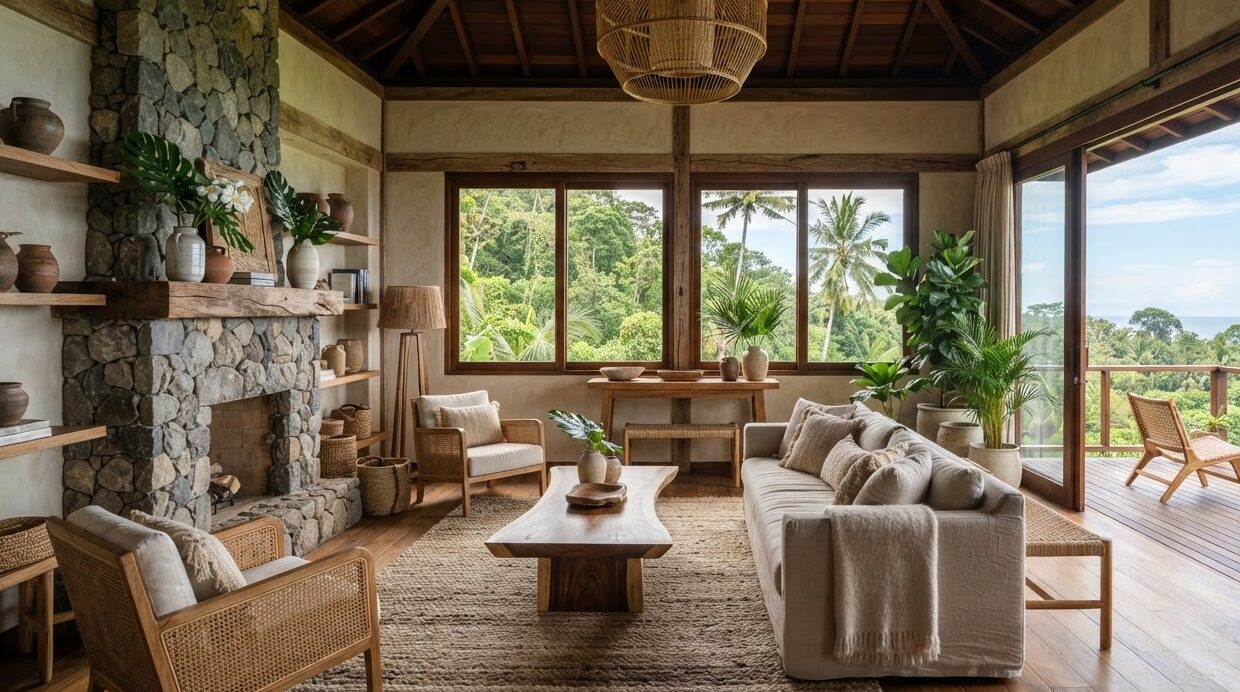
Natural materials can make a bedroom feel calm, warm, and connected to nature.
Wood furniture, linen bedding, cotton textiles, wool rugs, woven baskets, rattan accessories, and ceramic décor can all add natural texture.
A wooden nightstand or dresser can soften a contemporary room, while woven accessories can add a relaxed touch to minimalist interiors.
You don’t need to use natural materials everywhere. A few carefully selected pieces are enough to introduce warmth.
6. Create a Cozy Reading Corner
If your bedroom has enough space, create a small reading or relaxation corner.
A comfortable armchair, floor lamp, and small side table can turn an unused corner into a peaceful personal space.
Add a soft throw and a few favorite books to make the area more inviting.
For smaller bedrooms, even a compact accent chair or window seat can provide a dedicated place to relax without taking up too much space.
7. Add an Area Rug
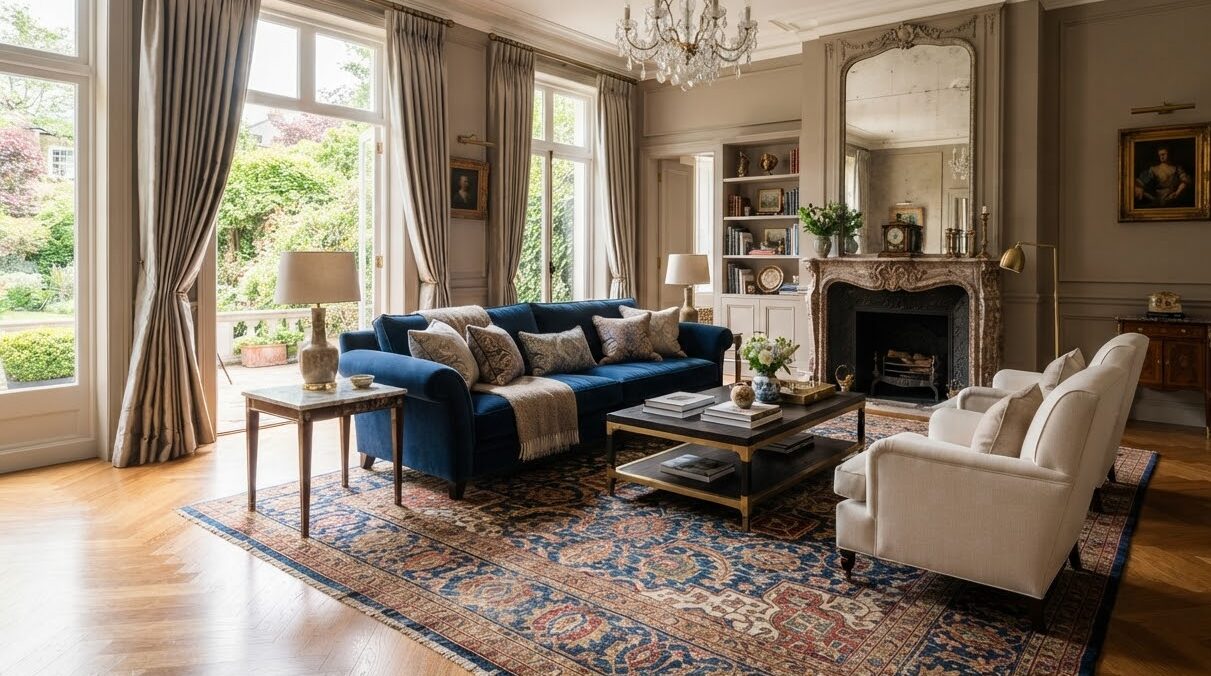
A bedroom rug can make the room feel softer and more comfortable underfoot.
Place a large rug beneath the bed so it extends beyond the sides. This creates a balanced appearance and gives your feet a warm surface when you get out of bed.
For a relaxing bedroom, consider soft neutral rugs, subtle patterns, natural fibers, or plush textures.
If you have hardwood floors, a rug can also reduce the room’s visual hardness and add warmth.
8. Keep Bedroom Décor Simple
A relaxing bedroom doesn’t need to be filled with accessories.
Too many decorative items can create visual clutter and make the room feel busy. Instead, choose a few meaningful pieces.
Consider adding:
- A large piece of artwork
- A decorative vase
- A small plant
- A few books
- A ceramic object
- A framed photograph
- A soft decorative tray
Leave some empty space around your décor. This helps the room feel calmer and more intentional.
Final Thoughts
Creating a relaxing and beautiful bedroom doesn’t require a complete renovation. Start with the essentials: a comfortable bed, calming colors, soft lighting, quality bedding, practical storage, and natural textures.
Then personalize the space with artwork, plants, rugs, curtains, and meaningful accessories.
Whether you love modern minimalism, cozy farmhouse style, organic interiors, or luxurious bedroom décor, the most important goal is to create a room that feels comfortable and personal.
A well-designed bedroom should not simply look beautiful in photographs. It should make you want to slow down, relax, and enjoy your own space at the end of the day.