
Your bedroom should be more than the place where you sleep at the end of a long day. It can be a quiet escape, a comfortable place to recharge, and one of the most personal rooms in your home. The good news is that creating a beautiful bedroom does not always require a major renovation or an expensive furniture shopping spree.
With a few thoughtful bedroom design tricks, even an ordinary space can feel warmer, more polished, and surprisingly luxurious. The secret is to focus on the details that make the biggest visual and emotional difference: lighting, color, texture, furniture placement, bedding, and the way the room reflects your personal style.
Whether you are decorating a small apartment bedroom, updating a suburban home, or refreshing a primary bedroom, these creative ideas can help you transform your everyday space into a cozy and elegant personal retreat.
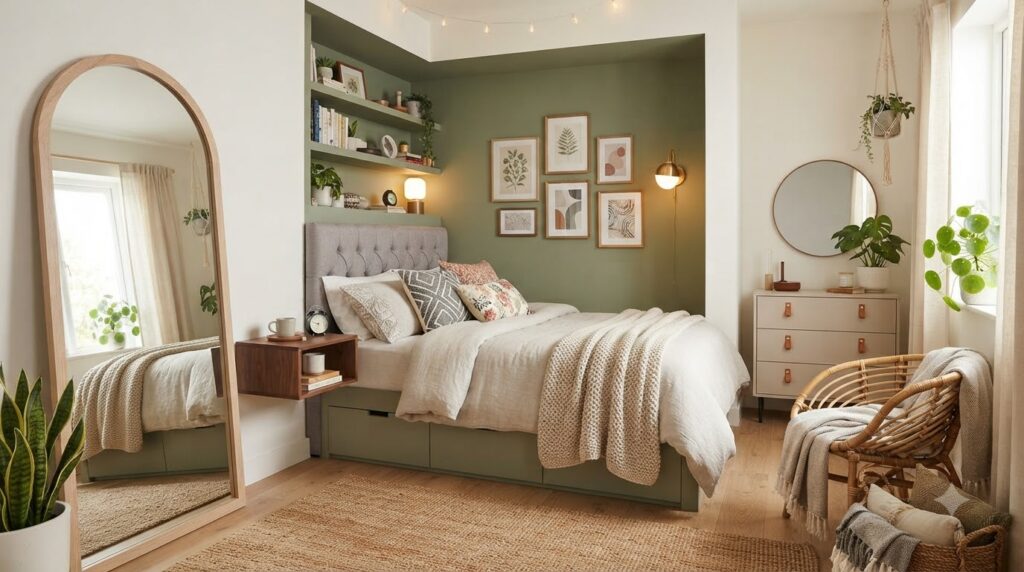
Start With a Color Palette That Feels Calm and Cohesive
One of the easiest ways to make a bedroom look more thoughtfully designed is to choose a clear color palette before adding new decor.
Soft neutrals such as warm white, beige, taupe, greige, and light gray create a timeless foundation. If you prefer more color, muted shades of sage green, dusty blue, terracotta, blush, or deep olive can add personality without making the room feel overwhelming.
For an elegant look, choose two or three main colors and repeat them throughout the room. For example, a warm beige wall can be paired with cream bedding, natural wood furniture, and soft black or brass accents.
A cohesive palette helps the bedroom feel intentional. Instead of filling the room with unrelated colors and patterns, every element works together to create a calmer visual flow.
Quick design tip: Consider the amount of natural light your bedroom receives. Darker colors can create a cozy, dramatic mood, while lighter shades can help smaller or darker rooms feel more open and airy.
Create a Focal Point With an Eye-Catching Bed Wall
The bed is usually the largest piece of furniture in the bedroom, so the wall behind it is a natural place to create a focal point.
You do not need an expensive custom renovation to make this area stand out. A painted accent wall, vertical wood slats, decorative wall molding, textured wallpaper, or a large piece of artwork can instantly give the room more character.
For a softer and more elegant look, consider an upholstered headboard in linen, velvet, boucle, or another textured fabric. A tall headboard can make the ceiling appear higher and give the bed a more luxurious presence.
If you want a modern bedroom design, keep the wall treatment simple and let texture do the work. Warm wood panels, subtle plaster finishes, or neutral wallpaper can add depth without making the room feel busy.
The goal is not to create the loudest wall in the house. It is to give the eye a clear place to land when entering the room.
Layer Your Bedding for a Hotel-Inspired Look
A well-made bed can completely change the appearance of a bedroom. Even a simple room can look elegant when the bedding is layered with care.
Start with comfortable sheets and add a duvet or comforter that suits the overall style of the room. Then introduce additional layers with a lightweight blanket, throw, or quilt.
Pillows can add softness and dimension, but too many can make the bed look cluttered. A balanced arrangement often works best: sleeping pillows at the back, followed by a few decorative pillows or cushions in complementary colors and textures.
Mixing materials is another simple way to make the bed feel more inviting. Try combining crisp cotton with a chunky knit throw, soft linen, velvet cushions, or a quilted coverlet.
For a cozy and elegant bedroom, choose quality-looking fabrics in a limited color palette rather than relying on too many bold patterns.
Use Layered Lighting Instead of a Single Ceiling Fixture
Lighting plays a major role in how a bedroom feels. A single overhead light may be practical, but it rarely creates a relaxing atmosphere on its own.
A better approach is to layer different types of lighting throughout the room.
Start with ambient lighting, such as a ceiling fixture or recessed lights. Then add task lighting near the bed for reading. Table lamps, wall sconces, and adjustable pendant lights can all work well.
Finally, introduce accent lighting to create warmth and visual interest. A soft LED strip behind a headboard, inside shelving, or around architectural details can give the room a subtle glow.
Warm lighting generally works especially well in bedrooms because it creates a softer, more restful atmosphere. If possible, use dimmable lighting so the mood can change from bright and functional during the day to calm and relaxing in the evening.
Add Texture to Make the Room Feel Warm and Luxurious
A bedroom can have beautiful furniture and still feel flat if every surface has the same texture.
Texture is what gives a room warmth and depth. You can introduce it through bedding, curtains, rugs, furniture, wall finishes, and decorative accessories.
For example, pair smooth painted walls with a woven rug, linen curtains, a soft upholstered headboard, and natural wood furniture. This combination creates visual interest without requiring a large number of decorative items.
Natural materials such as wood, cotton, linen, wool, rattan, and stone-inspired finishes can make a bedroom feel grounded and welcoming.
The key is balance. Choose a few contrasting textures and repeat them throughout the room rather than adding something different to every corner.
Choose Furniture That Fits the Size of the Room
One common bedroom design mistake is choosing furniture based only on appearance.
A large bed, oversized nightstands, and bulky storage pieces can make a small bedroom feel cramped, while tiny furniture can look lost in a large primary suite.
Before buying new pieces, consider the proportions of the room. Leave enough walking space around the bed and avoid blocking windows or natural pathways.
In smaller bedrooms, furniture with multiple functions can be especially useful. A storage bed, slim nightstands, wall-mounted lights, or a bench with hidden storage can help reduce clutter while keeping the room practical.
Floating furniture can also create a lighter visual effect. Wall-mounted shelves and floating nightstands expose more floor space, which can make a compact bedroom appear less crowded.
Make the Bedroom Feel Larger With Smart Placement
Furniture placement can have a bigger impact than many people expect.
Whenever possible, place the bed where it has a clear visual relationship with the room. In many bedrooms, centering it on the main wall creates a balanced and symmetrical appearance.
If the room is narrow, avoid placing unnecessary furniture along every wall. Leaving some open space can actually make the bedroom feel larger.
Mirrors can also help brighten darker bedrooms by reflecting natural and artificial light. A large leaning mirror or a strategically placed wall mirror can add depth while serving a practical purpose.
Another useful trick is to hang curtains higher than the window frame. This draws the eye upward and can make the walls and ceiling appear taller.
Introduce Personal Details Without Creating Clutter
A beautiful bedroom should still feel personal.
Family photos, travel memories, books, artwork, or meaningful objects can make the space feel more connected to you. The difference between a thoughtfully styled room and a cluttered one often comes down to editing.
Instead of displaying everything, choose a few items that genuinely add meaning or beauty.
A small stack of favorite books on a nightstand, a framed photograph, a ceramic vase, or a piece of art can tell a story without overwhelming the space.
Decorative trays are also useful for organizing smaller items such as candles, jewelry, or bedside essentials. Grouping objects together makes them look intentional while keeping surfaces visually tidy.
Upgrade the Floor With a Large, Comfortable Rug
A rug can make a bedroom feel more finished and comfortable, especially if the room has hardwood, tile, or another hard flooring surface.
The size of the rug matters. A rug that is too small can make the entire room feel disconnected. Ideally, a larger rug should extend beyond the sides of the bed so your feet land on a soft surface when you get up.
For a cozy bedroom, consider soft textures and subtle patterns. Neutral rugs are versatile and work well with changing decor, while a more colorful rug can become a statement piece in an otherwise simple room.
Layering a smaller textured rug over a larger neutral one can also add depth to a spacious bedroom.
Use Curtains to Add Softness and Height
Window treatments are often overlooked, but they can dramatically improve the look of a bedroom.
Curtains add softness, texture, and visual height. Hanging the curtain rod closer to the ceiling rather than directly above the window can make the room feel taller and more elegant.
Choose fabrics that match the mood you want to create. Linen or cotton blends work beautifully in relaxed and natural interiors, while heavier fabrics can create a more formal or dramatic appearance.
Blackout curtains are also a practical option for bedrooms because they can provide privacy and help create a darker sleeping environment.
For a polished look, choose curtains that extend close to the floor rather than stopping at the bottom of the window.
Add a Small Seating Area When Space Allows
If your bedroom has extra square footage, a small seating area can make it feel more like a personal retreat.
A comfortable accent chair near a window, a small bench at the end of the bed, or a pair of compact chairs with a side table can create a separate space for reading, relaxing, or enjoying a quiet morning.
You do not need to fill every empty corner. One thoughtfully chosen piece is often enough.
In smaller bedrooms, a bench at the foot of the bed can provide a similar sense of luxury without taking up too much room. Choose a design that complements the bed and provides either extra seating or hidden storage.
Keep Storage Beautiful and Practical
Clutter can quickly make even the most stylish bedroom feel stressful.
Creative storage solutions can help maintain a calm and elegant atmosphere. Under-bed storage, built-in wardrobes, baskets, storage benches, and drawer organizers can keep everyday items out of sight.
Open shelving can work well for displaying a few decorative pieces, but it should not become a place for random objects.
A good rule is to give frequently used items an easy-to-reach home. When storage is convenient, it becomes much easier to maintain a clean and relaxing bedroom.
Create a Retreat That Reflects Your Lifestyle
The best bedroom design is not simply one that looks good in a photograph. It should support the way you actually live.
If you enjoy reading, create a comfortable reading corner with good lighting. If your mornings are busy, organize your closet and bedside area so everyday essentials are easy to find.
If relaxation is your priority, focus on soft lighting, comfortable bedding, calming colors, and fewer visual distractions.
Your bedroom does not need to follow every interior design trend. A room feels timeless when it combines practical choices with details that genuinely reflect your personality.
Final Thoughts
Transforming a bedroom into a cozy and elegant personal retreat does not require changing everything at once. Small updates can create a noticeable difference when they work together.
Start with the foundation: a calming color palette, comfortable bedding, balanced furniture, and layered lighting. Then build character through texture, wall treatments, rugs, curtains, and personal details.
Whether you are refreshing a small bedroom in a city apartment, updating a family home, or designing a peaceful primary suite, the same principle applies: create a space that feels comfortable to live in and beautiful to look at.
When color, lighting, texture, and functionality are thoughtfully balanced, an everyday bedroom can become one of the most inviting spaces in your home—a cozy, elegant retreat where you can truly relax and recharge.