
Choosing the perfect hair color can completely transform your appearance. The right shade can brighten your complexion, make your eyes stand out, and give your overall look a fresh, polished finish. But with so many hair colors available—from warm caramel and golden blonde to cool espresso and icy platinum—it can be difficult to know which one will actually flatter you.
The secret is understanding your skin tone, undertone, natural hair color, and personal style before choosing a shade. While there are no strict rules when it comes to beauty, knowing what complements your coloring can make the decision much easier.
Understand Your Skin Tone First
Your skin tone generally falls into three broad categories: fair, medium, or deep. Your skin tone is the surface color of your skin, while your undertone is the subtle color underneath it.
Fair skin usually looks very light and may burn easily in the sun. Medium skin ranges from light beige to olive or golden shades. Deep skin tones include rich brown and deep ebony complexions.
However, skin tone alone does not determine the best hair color. Your undertone is often even more important.

Find Your Skin Undertone
Skin undertones are generally classified as cool, warm, or neutral.
Cool undertones tend to have pink, red, or bluish hints. Warm undertones often appear golden, peachy, or yellow. Neutral undertones have a balance of warm and cool characteristics.
One simple way to identify your undertone is to look at the veins on your wrist. If they appear mostly blue or purple, you may have a cool undertone. If they look greenish, you may have a warm undertone. If you cannot clearly identify whether they look blue or green, you may have a neutral undertone.
Another trick is to compare how you look wearing silver and gold jewelry. If silver tends to flatter your complexion more, you may have a cool undertone. If gold looks especially radiant against your skin, you may lean warm. If both look equally flattering, you may have a neutral undertone.
Natural daylight is the best lighting for checking your skin because artificial lighting can change how colors appear.
Best Hair Colors for Cool Undertones
If you have cool undertones, hair colors with cool, neutral, or slightly ashy qualities can beautifully complement your complexion.
Popular choices include ash blonde, platinum blonde, cool beige blonde, mushroom brown, ash brown, espresso brown, blue-black, and cool burgundy.
Ash blonde is especially attractive if you want a lighter transformation without adding too much warmth. For a brunette look, cool chocolate brown or espresso can create a sophisticated contrast.
If you love dramatic colors, cool burgundy, plum, or deep wine shades can also work beautifully.
Try to be cautious with extremely yellow or orange-based shades if you find that they make your complexion look overly red or uneven. That does not mean you can never wear warm colors; it simply means you may need a more balanced formula.
Best Hair Colors for Warm Undertones
Warm undertones often look gorgeous with hair colors that have golden, honey, copper, or reddish qualities.
Consider shades such as honey blonde, golden blonde, caramel brown, warm chocolate, chestnut, copper, auburn, and golden brown.
Caramel highlights are a particularly versatile option because they can add dimension without requiring a dramatic all-over color change.
If you want something bolder, copper and auburn can bring warmth and vibrancy to your overall appearance. Golden brown is another excellent choice when you want something natural-looking but slightly brighter than your existing hair color.
Very ashy shades may sometimes make warm skin appear dull, although the right stylist can blend warm and cool tones to create a more customized result.
Best Hair Colors for Neutral Undertones
Neutral undertones give you plenty of flexibility because you can often wear both warm and cool shades successfully.
You can experiment with neutral brown, chocolate brown, beige blonde, soft black, caramel, honey, rose brown, and balanced brunette shades.
If you are unsure whether you want warm or cool hair, neutral shades are a great starting point. A neutral chocolate brown, for example, can look polished without appearing strongly golden or ashy.
Neutral undertones are also ideal for experimenting with balayage because your stylist can combine multiple tones while maintaining harmony with your complexion.
Hair Colors for Fair Skin
Fair skin can be beautifully complemented by both light and darker shades, depending on your undertone.
For cool fair skin, consider platinum blonde, ash blonde, cool beige, light ash brown, or soft espresso. For warm fair skin, honey blonde, strawberry blonde, golden brown, and soft copper can be stunning.
If you prefer contrast, a deep brunette can create a dramatic appearance against fair skin. However, extremely dark colors can sometimes look harsh, so adding subtle dimension through highlights or balayage can create a softer effect.
Hair Colors for Medium Skin
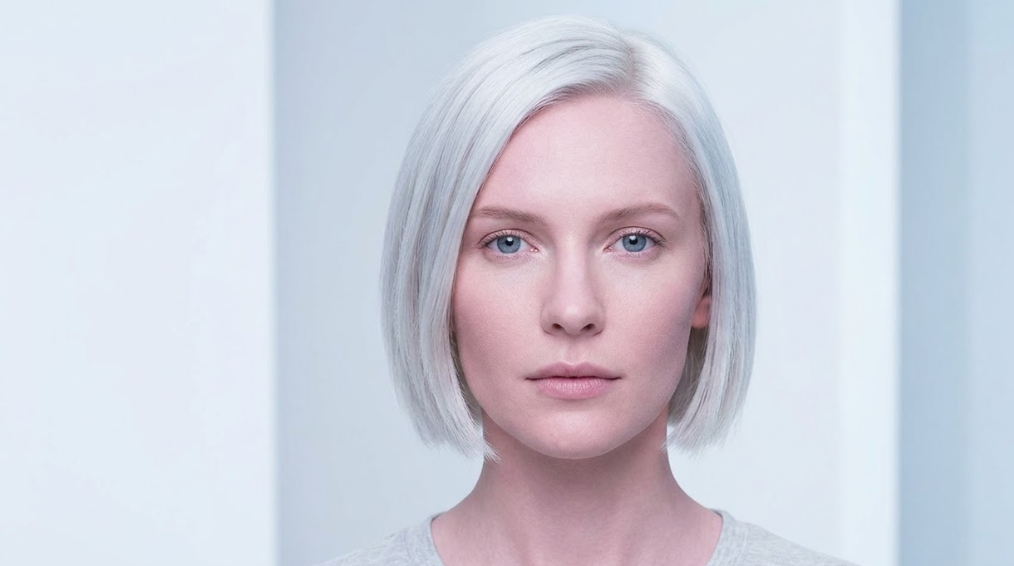
Medium skin tones offer a wide range of possibilities. Warm medium complexions can look gorgeous with caramel, honey brown, chestnut, copper, and golden brunette shades.
Cool medium skin can work beautifully with ash brown, cool chocolate, mocha, espresso, and beige blonde.
Olive skin is particularly interesting because it can have neutral, warm, or cool characteristics. Rich brunette shades, soft caramel highlights, and neutral brown are often versatile choices.
If you want a lighter look, consider highlights rather than immediately changing your entire base color. Strategically placed highlights can brighten the face while keeping the result natural.
Hair Colors for Deep Skin
Deep skin tones can look striking with both rich dark colors and carefully selected lighter shades.
Espresso, deep chocolate, natural black, warm chestnut, burgundy, copper, honey highlights, and caramel tones can all create beautiful contrast.
Warm highlights can add dimension to dark hair without making the transformation look unnatural. Caramel or honey balayage around the face can create a glowing effect.
For a bold look, deep burgundy, plum, copper, or warm auburn can add personality while complementing the richness of the complexion.
Consider Your Eye Color
Your skin undertone should be your starting point, but eye color can also help you choose between similar shades.
Brown eyes often pair beautifully with chocolate, caramel, chestnut, espresso, and warm brunette tones. Hazel eyes can be enhanced with golden brown, caramel, copper, or rich chocolate.
Blue eyes can stand out against cool blondes, ash brown, espresso, and certain warm shades that create contrast. Green eyes can look especially striking with copper, auburn, chestnut, and warm brunette shades.
The goal is not necessarily to match your hair color to your eyes. Instead, choose a shade that creates attractive contrast or highlights the colors already present in your eyes.
Think About Your Natural Hair Color
Your natural hair color matters when choosing a new shade, especially if you want a low-maintenance transformation.
Moving only a few shades lighter or darker than your natural color usually creates a more subtle result and may require less maintenance.
For example, someone with naturally medium brown hair might easily transition to chocolate brown, caramel brown, or chestnut. Going from very dark brown to platinum blonde, on the other hand, is a much bigger transformation and typically requires significant lightening and ongoing maintenance.
Your natural color can also influence how a dye develops. That is why the same box color can look completely different on two people.
Consider Your Lifestyle and Maintenance
A hair color can look amazing in the salon but become frustrating if it does not fit your lifestyle.
Before choosing a shade, think about how often you are willing to visit a salon, how much styling you do, and how quickly your roots become noticeable.
High-maintenance colors such as platinum blonde, vivid red, or certain fashion shades may require frequent touch-ups. Balayage, subtle highlights, and shades close to your natural color can be much easier to maintain.
If you want a low-maintenance look, ask for a color that blends naturally with your roots. A dimensional balayage or soft root melt can help create a seamless grow-out.
Try Highlights Instead of Full Color
You do not always need to completely change your hair color to create a noticeable transformation.
Highlights, lowlights, balayage, and face-framing pieces can introduce a new shade while preserving much of your natural color.
For example, caramel highlights can brighten brunette hair, honey pieces can add warmth to dark blonde hair, and cool beige highlights can give medium brown hair a softer appearance.
This approach is especially useful if you are experimenting with color for the first time.
Think About Your Personal Style
The “perfect” hair color is not only about color theory. Your personality and style matter too.
If you prefer a classic appearance, natural brunette, soft blonde, or rich chocolate shades may be ideal. If your style is more dramatic, consider deep burgundy, copper, platinum, or contrasting highlights.
Beauty rules should be used as guidelines rather than restrictions. If you love a particular color, there are often ways to customize it so it works beautifully with your complexion.
Always Consider Professional Advice
If you are making a major color change, consulting a professional colorist is one of the smartest steps you can take.
A stylist can assess your natural hair color, previous color treatments, hair condition, skin undertone, and desired result before recommending a formula. This is especially important if you are going significantly lighter or attempting to correct an existing color.
Bring a few reference photos to your appointment, but remember that lighting, filters, and individual hair characteristics can make the same shade look different from person to person.
Final Thoughts
Choosing the perfect hair color does not have to be complicated. Start by identifying your skin tone and undertone, then consider your eye color, natural hair color, lifestyle, maintenance preferences, and personal style.
Cool undertones often shine with ash, espresso, and cool brunette shades, while warm undertones can beautifully support honey, caramel, copper, and golden tones. Neutral undertones offer even more flexibility.
Most importantly, remember that there is no single hair color you are “allowed” to wear. The best shade is one that makes you feel confident and suits the look you want to create. Use color theory as a helpful guide, then personalize the result to make it completely your own.