
An accent wall is one of the easiest ways to give a room a completely new personality without redesigning the entire space. Instead of repainting every wall or replacing all your furniture, you can focus on one wall and turn it into a striking focal point.
The best accent wall ideas do more than simply add color. They can introduce texture, create visual depth, highlight architectural features, define zones, and make a room feel warmer or more sophisticated. From bold paint colors and dramatic wallpaper to wood paneling, stone, murals, and carefully styled shelves, there are endless ways to create a statement wall that feels intentional.
Whether you are refreshing a bedroom, living room, dining area, home office, entryway, or bathroom, these accent wall ideas can help you create a stylish interior with relatively little effort.
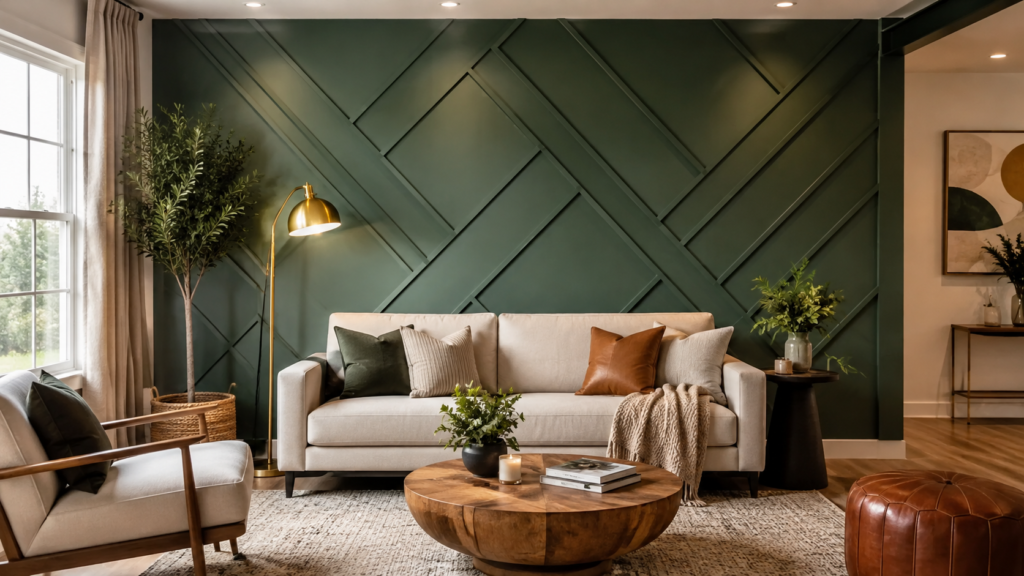
1. Create a Bold Painted Accent Wall
One of the simplest and most affordable accent wall ideas is paint. A single wall in a rich or unexpected shade can immediately change the mood of a room.
Deep green, navy blue, charcoal, terracotta, chocolate brown, and muted burgundy can create a dramatic and sophisticated effect. For a softer interior, try sage green, dusty blue, warm beige, or muted pink.
The wall behind a sofa or bed is often an ideal location because it naturally becomes a focal point.
When choosing a color, consider the amount of natural light in the room. Darker shades can create a cozy atmosphere, while lighter colors can maintain an airy feeling.
2. Add Wood Paneling for Warmth
Wood paneling can make an accent wall feel architectural, warm, and luxurious. It works particularly well in living rooms, bedrooms, dining rooms, and home offices.
Vertical wood slats can emphasize ceiling height, while horizontal paneling can make a wall appear wider. Fluted or reeded wood creates additional texture and a contemporary appearance.
Natural oak tones are perfect for warm minimalist interiors, while dark-stained wood can create a more dramatic luxury look.
For a budget-friendly alternative, consider decorative wall panels that replicate the appearance of natural timber.
3. Try an Elegant Wallpaper Accent Wall
Wallpaper allows you to introduce patterns and colors that would be difficult to achieve with paint alone.
Floral designs can create a romantic bedroom, geometric patterns can give a modern living room more energy, and botanical prints can bring a natural feel into an otherwise neutral space.
For a sophisticated look, choose wallpaper with a subtle texture or tonal pattern rather than an extremely busy print.
A wallpaper accent wall works particularly well behind a bed, console table, dining table, or sofa because the furniture helps frame the design.
4. Use a Large-Scale Mural
If you want your accent wall to become the main feature of the room, consider a mural.
A landscape, abstract artwork, botanical scene, or oversized artistic pattern can create an immersive backdrop.
Murals are particularly effective in bedrooms, children’s rooms, creative spaces, and home offices. They can also be used in living rooms when the design complements the furniture rather than competing with it.
For a more timeless result, choose a mural with colors already present in your room.
5. Create a Textured Plaster Wall
Texture can transform a plain wall without relying on bright colors.
Limewash, plaster-effect finishes, Venetian plaster, and other textured treatments can give a room a handcrafted appearance. Subtle variations in tone can create depth and movement while maintaining a sophisticated neutral palette.
This approach works especially well in modern Mediterranean, organic modern, minimalist, and quiet luxury interiors.
Pair a textured wall with natural wood, linen, stone, and soft lighting for a warm and refined atmosphere.
6. Make the TV Wall a Feature
Instead of allowing the television to dominate the living room, turn the entire TV wall into a deliberate design feature.
Wood paneling, stone-effect surfaces, built-in shelving, textured paint, or large-format porcelain can create a sophisticated backdrop.
A floating media console can keep the lower portion of the wall visually clean, while concealed storage can reduce clutter.
If you are designing a modern living room, a combination of warm wood and neutral textured surfaces can make the entertainment area feel more integrated into the interior.
7. Highlight a Bedroom Headboard Wall
The wall behind the bed is naturally suited to becoming an accent wall.
Instead of using a traditional headboard alone, create a full-width feature wall with wallpaper, wood paneling, upholstered panels, paint, or textured plaster.
For a luxury bedroom, extend the material behind the bedside tables to create a more cohesive appearance.
A darker color can make the bedroom feel cozy and intimate, while soft neutrals can create a calm and relaxing retreat.
Add layered lighting around the bed to emphasize the wall after sunset.
8. Use Stone or Stone-Look Materials
Stone can bring natural texture and a sense of permanence to an interior.
A stone accent wall can work beautifully around a fireplace, behind a television, in a dining room, or within an entryway.
Natural stone offers unique variations, while stone-look porcelain and engineered materials can provide a similar visual effect with different maintenance requirements.
For contemporary interiors, choose large-format stone surfaces with subtle veining. For rustic or traditional homes, irregular stone can create a more organic appearance.
9. Paint an Architectural Feature
An accent wall does not always need to be a complete wall.
You can highlight an architectural feature by painting an alcove, fireplace wall, built-in shelving unit, arch, or recessed area in a contrasting color.
This approach is particularly useful if you prefer subtle design.
For example, a warm beige room could feature a darker brown fireplace wall, while a white bedroom could have a soft green alcove behind the bed.
The result feels intentional without overwhelming the space.
10. Create a Gallery Wall
A gallery wall can turn an ordinary wall into a highly personal focal point.
Mix framed artwork, photography, prints, mirrors, and small decorative objects to create a collection that reflects your personality.
For a polished look, keep the frames within a consistent color family. If you prefer an eclectic interior, intentionally mix different frame styles and sizes.
A gallery wall is especially effective in living rooms, hallways, staircases, and home offices.
Before hanging everything, arrange the pieces on the floor to test the composition.
11. Add Floating Shelves
Floating shelves provide both decoration and useful storage.
Install several shelves on a painted accent wall and style them with books, ceramics, plants, artwork, candles, and small decorative objects.
This is a particularly good option for renters or homeowners who want a feature wall without committing to permanent paneling or wallpaper.
Keep some open space between objects. A carefully edited shelf arrangement will look much more sophisticated than one packed with accessories.
12. Use Dark Colors for Dramatic Impact
A dark accent wall can instantly add depth and sophistication.
Charcoal, deep navy, forest green, espresso brown, and black can all work beautifully when balanced with lighter furniture and plenty of lighting.
Dark walls are particularly effective in bedrooms and living rooms where you want a cozy, intimate atmosphere.
If the room receives limited natural light, use mirrors, layered lamps, light-colored textiles, and reflective accessories to prevent the space from feeling too heavy.
13. Try an Earth-Tone Accent Wall
Earth tones are an excellent choice if you want your accent wall to feel warm and timeless.
Terracotta, clay, olive, sand, camel, warm taupe, and muted brown can create a relaxed connection with nature.
These colors work beautifully with natural materials such as wood, rattan, linen, leather, and stone.
An earth-tone accent wall can be especially effective in living rooms and bedrooms where comfort and warmth are priorities.
14. Create a Two-Tone or Geometric Wall
If you want something more creative than a single block of color, experiment with geometric shapes.
Use painter’s tape to create arches, blocks, stripes, color fields, or curved shapes. You can use two complementary colors or several shades from the same palette.
A painted arch behind a desk, bed, or console table can visually define that area without requiring a physical divider.
Geometric accent walls are particularly popular in contemporary bedrooms, children’s rooms, creative spaces, and home offices.
15. Bring Nature to the Wall
Plants can turn an ordinary wall into a living focal point.
A vertical plant display, hanging planters, botanical artwork, or a combination of greenery and shelving can add freshness and texture.
If maintaining many plants is impractical, high-quality artificial greenery or botanical prints can provide a similar visual effect with less maintenance.
Pair greenery with natural wood and neutral walls for a biophilic-inspired interior.
How to Choose the Right Accent Wall
The best accent wall is usually the wall you naturally notice first when entering the room. It may be the wall behind the bed, sofa, fireplace, television, dining table, or a prominent architectural feature.
Before choosing your material or color, consider:
Room size: Very dark or busy designs can feel overwhelming in extremely small rooms, while carefully chosen darker walls can also create depth.
Natural light: Observe how sunlight changes the color throughout the day.
Furniture: Make sure the accent wall complements rather than competes with your main furniture.
Existing colors: Pull shades from your rugs, curtains, upholstery, artwork, or accessories for a cohesive look.
Room function: Calming colors work well in bedrooms, while more energetic patterns can suit creative rooms and social spaces.
Budget: Paint is generally one of the easiest options for a low-cost transformation, while stone, custom paneling, and premium wallpaper require a larger investment.
Make Your Accent Wall Feel Expensive
A high-end accent wall is not necessarily about using expensive materials. The biggest difference often comes from planning and execution.
Choose a cohesive color palette, keep surrounding decor relatively simple, and pay attention to scale. If the wall is already dramatic, avoid overcrowding it with too many accessories.
Good lighting can also make a major difference. Wall sconces, picture lights, recessed lighting, or carefully positioned floor lamps can highlight texture and architectural details.
Most importantly, make sure the accent wall feels connected to the rest of the room.
Final Thoughts
Accent walls are a powerful way to transform an ordinary room without undertaking a complete renovation. Whether you prefer bold paint, elegant wallpaper, warm wood, textured plaster, dramatic stone, or a personalized gallery wall, the right feature wall can completely change the atmosphere of your home.
The most successful accent wall ideas balance color, texture, proportion, and function. Choose one feature to emphasize, connect it to the rest of your decor, and leave enough visual breathing room for the design to stand out.
With the right approach, a single wall can become the detail that makes an entire room feel more stylish, finished, and uniquely yours.