
Modern homes can be beautiful, but sometimes an overly polished space can feel a little too predictable. Vintage decor ideas offer an easy way to bring warmth, personality, history, and visual interest into contemporary interiors without making your home look old-fashioned.
In 2026, vintage decorating is increasingly being interpreted as a mix of old and new rather than a strict recreation of one historical era. Designers are embracing warm woods, antique accents, vintage lighting, expressive artwork, curved silhouettes, rich colors, and layered textures to create homes that feel collected rather than mass-produced.
The best approach is to let modern furniture provide comfort and function while carefully selected vintage pieces add character. Whether you live in a small apartment, suburban house, or spacious family home, these ideas can help you create a distinctive interior with timeless appeal.
Why Vintage Decor Works So Well in Modern Homes
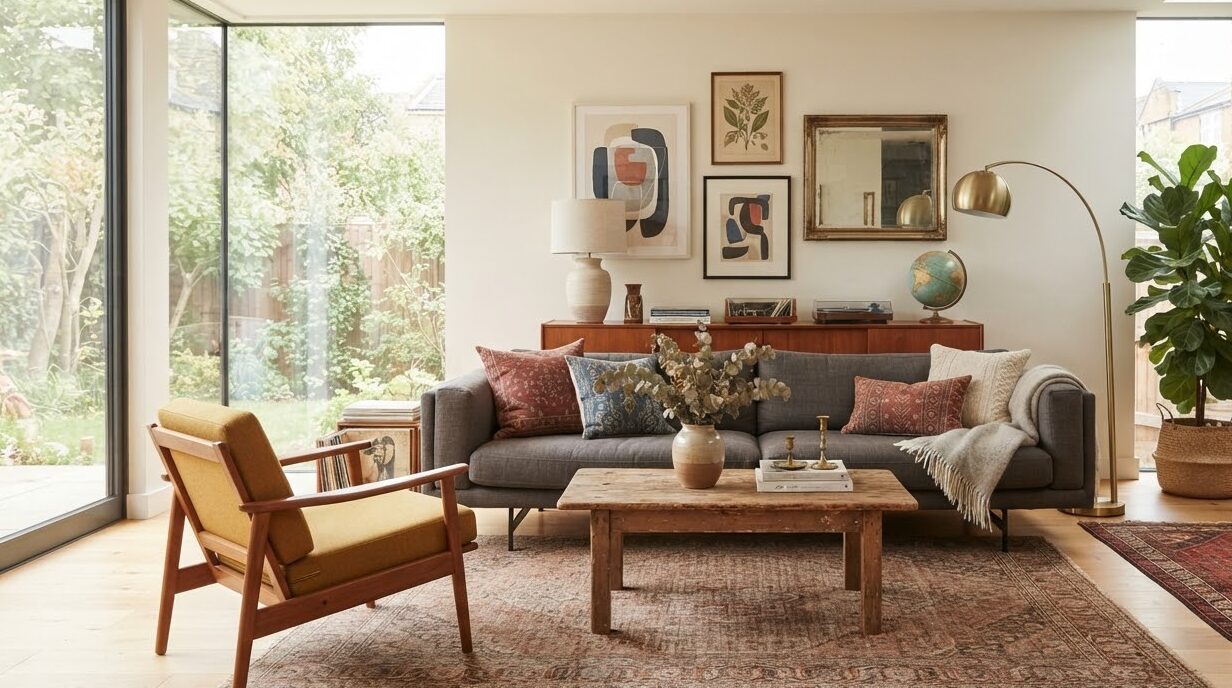
Vintage pieces have something that many new furnishings lack: a sense of history. An antique mirror, old wooden cabinet, vintage rug, or traditional lamp can instantly become a conversation piece.
Modern-vintage interiors also feel more personal because they don’t look like everything was purchased from the same showroom. Current design advice increasingly favors combining old and new elements to create interiors that feel intentional and lived-in.
The key is balance. Too many antique pieces can make a room feel like a period display, while too few may not create enough visual impact. A combination of approximately 70–80% contemporary essentials and 20–30% vintage accents is a useful starting point, although there are no strict rules.
1. Add a Vintage Statement Mirror
A vintage mirror can transform an otherwise simple wall into a dramatic focal point. Look for frames with carved wood, aged brass, ornate detailing, or unusual shapes.
Place a large vintage mirror above a modern console table in the entryway, behind a sofa, or opposite a window to reflect natural light.
For a modern look, avoid filling the entire room with ornate furniture. Let the mirror provide the decorative contrast while the surrounding furniture stays clean and contemporary.
2. Choose Warm Vintage Wood Furniture
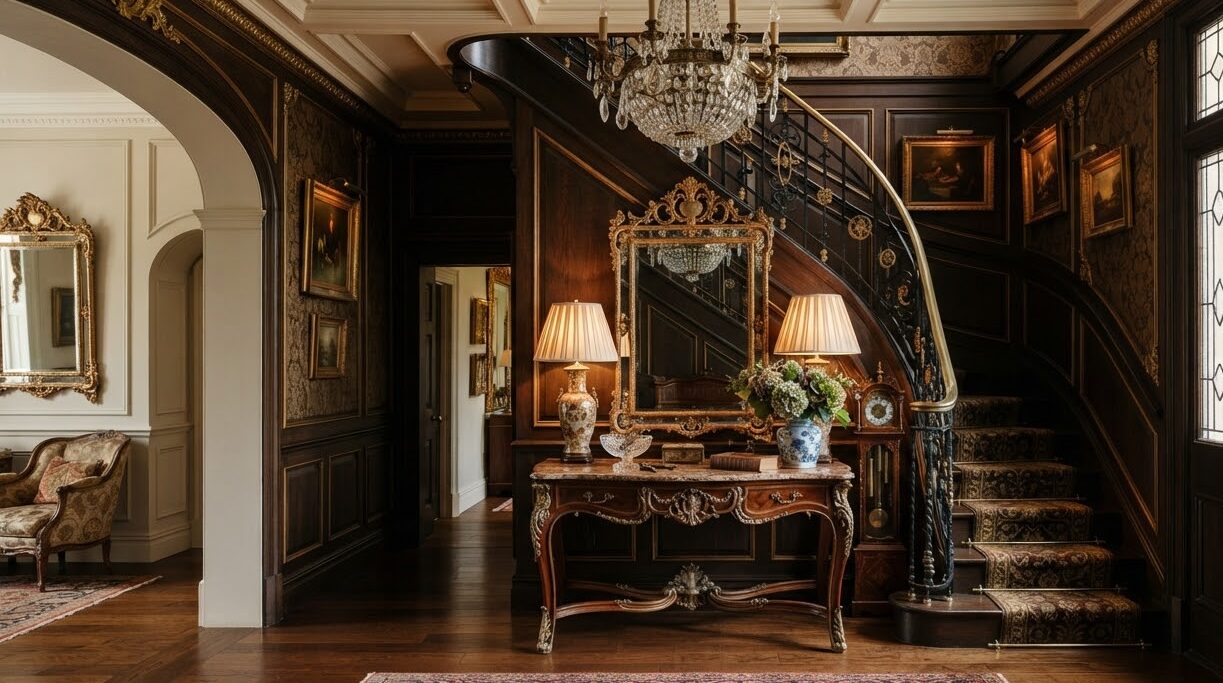
Warm wood is one of the easiest ways to introduce vintage character. Walnut, oak, teak, and other naturally aged woods can make modern interiors feel softer and more welcoming.
Consider adding a vintage sideboard, wooden coffee table, nightstand, or dining table. Natural patina and visible grain can become a beautiful contrast against smooth modern surfaces.
Warm woods are particularly relevant to current vintage decorating, as designers increasingly use aged wood and natural materials to create depth and warmth.
3. Mix a Vintage Rug With Modern Furniture
A vintage-style rug can instantly change the personality of a room.
Try a traditional Persian-inspired rug beneath a contemporary sofa or dining table. Faded patterns work especially well because they provide visual texture without overwhelming the rest of the space.
For an American-style modern home, muted rust, cream, navy, olive, brown, and faded red can create a sophisticated palette.
If your furniture is minimalist, a patterned vintage rug can become the room’s main decorative feature.
4. Bring in Vintage Lighting
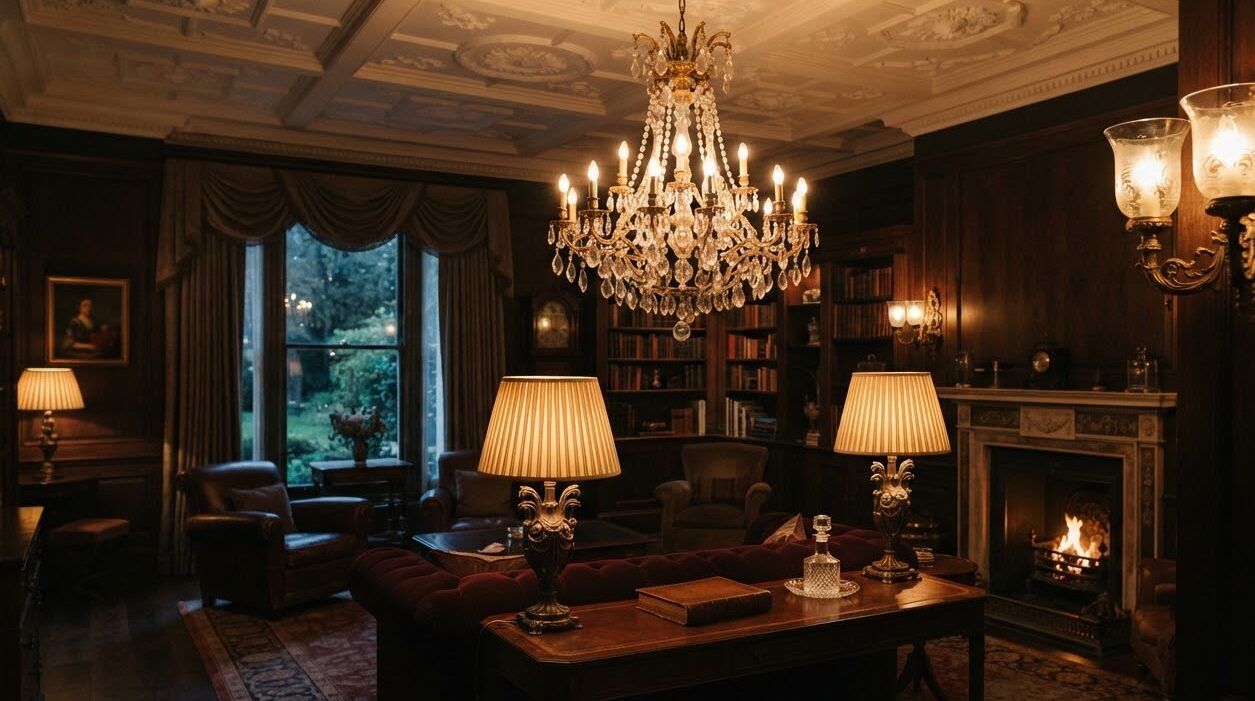
Lighting is one of the most effective ways to create vintage atmosphere.
Look for:
- Antique brass lamps
- Milk-glass pendants
- Sculptural table lamps
- Vintage chandeliers
- Opal-glass fixtures
- Mid-century-inspired lamps
- Traditional wall sconces
Vintage light fixtures are receiving renewed attention because they combine decorative character with practical function.
For a modern home, choose one standout fixture instead of filling every room with vintage lighting.
5. Create a Vintage Gallery Wall
Instead of generic wall art, build a collection of vintage-inspired pieces.
Combine old photographs, botanical prints, landscape paintings, architectural drawings, antique-style portraits, and decorative frames.
The secret is variation. Use different frame sizes and materials while keeping one element consistent, such as color or subject matter.
A gallery wall can make a modern living room feel collected over time rather than decorated all at once.
6. Use Vintage Ceramics and Glassware
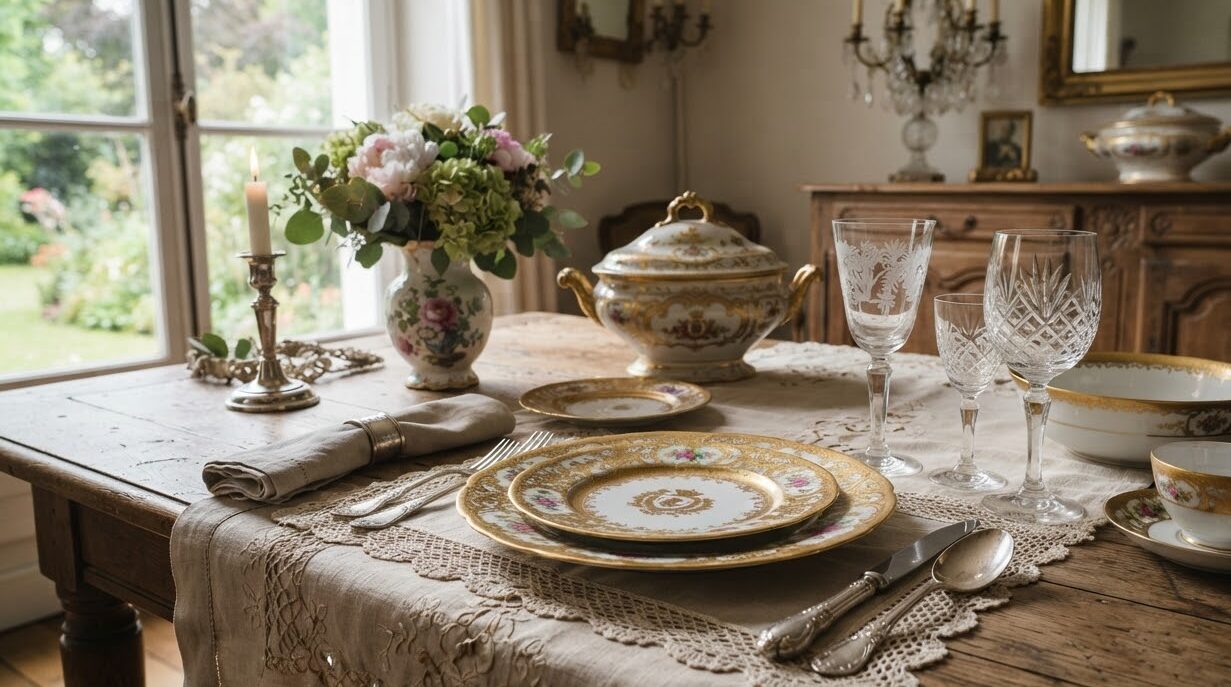
Small accessories can make a surprisingly big difference.
Display vintage ceramic vases, glass bottles, decorative bowls, candlesticks, or old serving pieces on open shelving, a dining table, or a console.
Vintage glassware and decorative objects are among the details currently returning to home interiors, helping modern spaces feel more individual and layered.
You don’t need an entire collection. Even two or three carefully selected objects can add personality.
7. Add Floral or Botanical Wallpaper
Wallpaper is another excellent way to introduce vintage character.
For a subtle effect, choose a small-scale botanical print in soft green, cream, dusty blue, or muted beige. For a more dramatic room, consider deeper burgundy, olive, brown, or blue.
Use wallpaper on one accent wall, inside a reading nook, or throughout a small powder room.
The goal isn’t to make the room look like it belongs to another century. Pair traditional wallpaper with contemporary furniture to create contrast.
8. Incorporate Velvet and Textured Fabrics
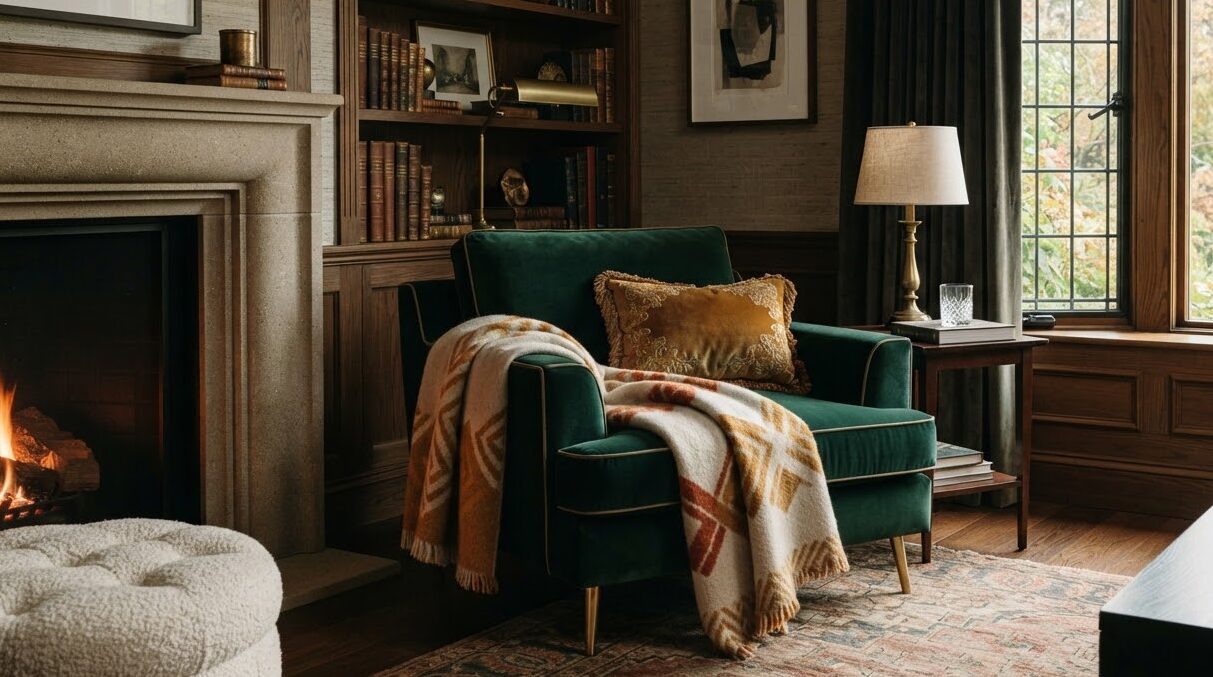
Texture helps vintage-inspired rooms feel warm rather than dated.
Try velvet accent chairs, linen curtains, woven cushions, embroidered pillows, or textured throws.
A modern sofa can look completely different when styled with vintage-inspired cushions and a soft throw.
For 2026, designers are increasingly combining vintage aesthetics with tactile materials and richer, more expressive interiors.
9. Use Antique Brass Accents
If your modern home has a lot of black, chrome, or stainless steel, introduce antique brass for warmth.
You can use brass through:
- Cabinet hardware
- Table lamps
- Picture frames
- Mirrors
- Candleholders
- Curtain rods
- Decorative trays
You don’t need to replace your existing hardware. Adding a few brass accents throughout the room can create visual continuity.
10. Style a Vintage-Inspired Entryway
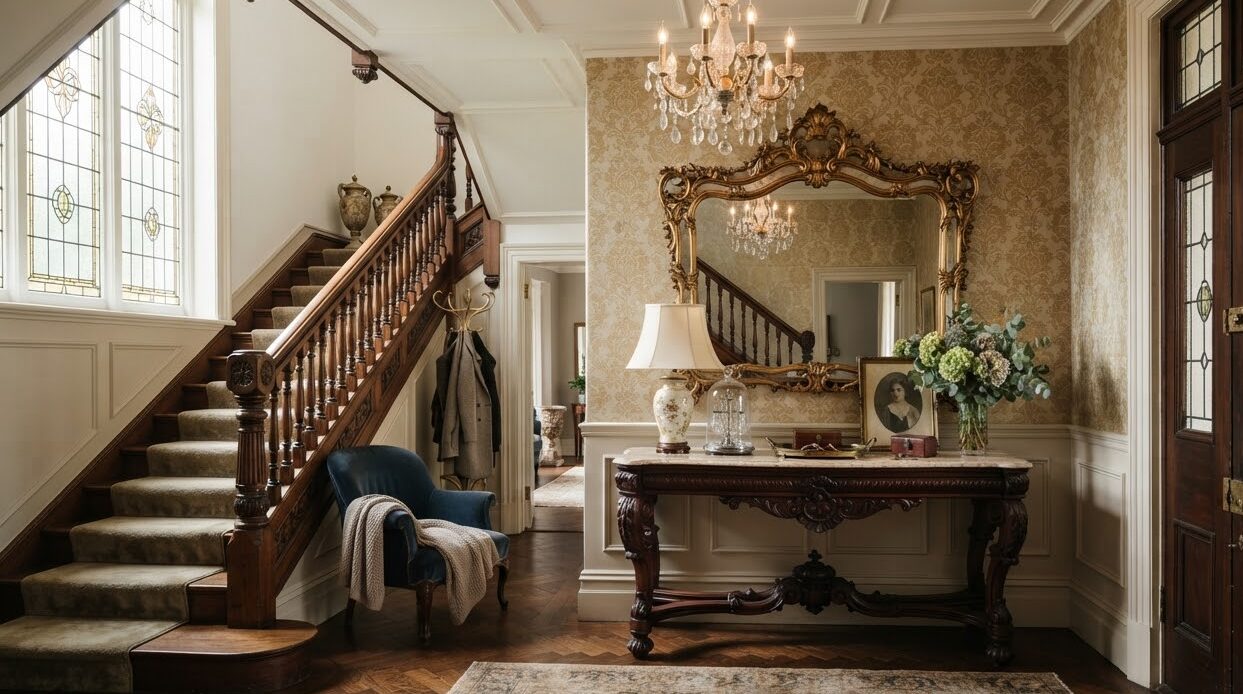
The entryway is a perfect place to experiment with vintage decor.
Start with a contemporary console table and add an antique mirror above it. Place a vintage lamp on one side, a ceramic vase on the other, and a small decorative tray in the center.
A runner with a faded traditional pattern can complete the look.
This combination gives guests an immediate impression that your home has personality.
How to Make Vintage Decor Look Modern
The easiest formula is simple:
Modern foundation + vintage focal point + contemporary accessories + layered texture.
For example, imagine a living room with a streamlined cream sofa, contemporary coffee table, vintage Persian rug, antique brass lamp, modern artwork, and a carved wooden sideboard.
None of the pieces has to match perfectly. Their differences create the personality.
Keep your larger functional pieces modern if you prefer a clean aesthetic, then use vintage elements for smaller furniture, artwork, lighting, and accessories.
Vintage Decor Mistakes to Avoid
Vintage decorating works best when it feels intentional. Avoid filling every available surface with antiques or decorative objects.
Also avoid buying vintage pieces simply because they are old. Choose items that complement your home’s architecture, color palette, and lifestyle.
Scale matters too. An oversized antique piece can overwhelm a small room, while tiny accessories can disappear in a large space.
Finally, don’t sacrifice comfort for appearance. A beautiful vintage chair isn’t useful if nobody wants to sit in it.
Final Thoughts
The best vintage decor ideas for modern homes aren’t about turning your house into a museum. They’re about adding pieces with character to an otherwise contemporary environment.
Start small with a vintage mirror, rug, lamp, artwork, ceramic vase, or wooden accent. Once you understand what works in your space, gradually introduce larger statement pieces.
The result can be warm, sophisticated, personal, and completely unique.
In 2026, the appeal of vintage decorating lies in exactly that individuality: homes are moving toward spaces that feel layered, meaningful, and collected rather than perfectly matched or overly minimal.