A small home can feel surprisingly spacious with the right design choices. You don’t need to knock down walls or move to a larger house to create a more open, comfortable interior. Simple changes such as choosing light colors, using mirrors, maximizing natural light, selecting appropriately scaled furniture, and keeping visual clutter under control can make rooms feel larger and more inviting.
Whether you live in a small apartment, townhouse, condo, or compact family home, these 8 small-home design ideas can help maximize the space you already have while keeping your home stylish and comfortable.
1. Choose Light and Airy Colors
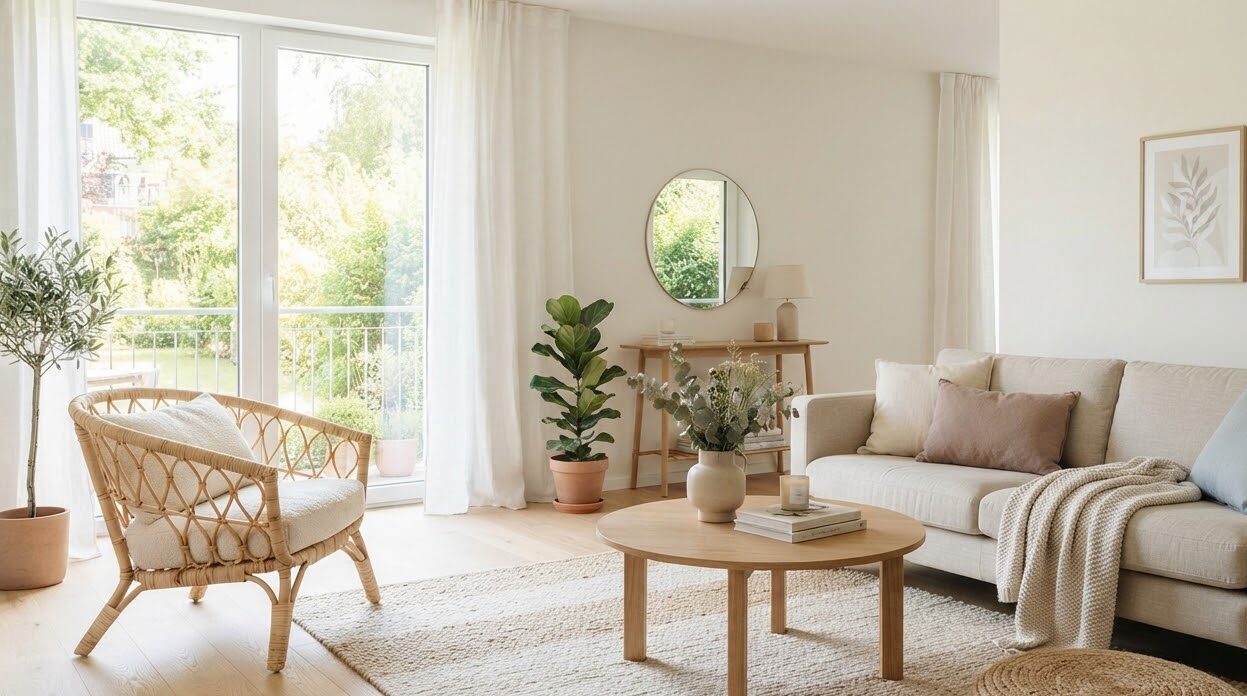
One of the easiest ways to make a small room appear larger is to use a light color palette.
White, warm beige, soft gray, creamy ivory, pale blue, and other light shades reflect more light around the room. This can create the impression of greater openness, especially when natural sunlight enters through windows.
For an especially cohesive look, consider using similar light tones on the walls, ceiling, trim, and larger furniture pieces. When there are fewer strong visual breaks, the room can feel more continuous.
You don’t have to make everything bright white. Warm neutrals can create the same spacious effect while adding personality and comfort.
Try this: Paint the walls a soft neutral color and introduce contrast through pillows, artwork, rugs, plants, or decorative accessories.
2. Use Mirrors to Create the Illusion of Space
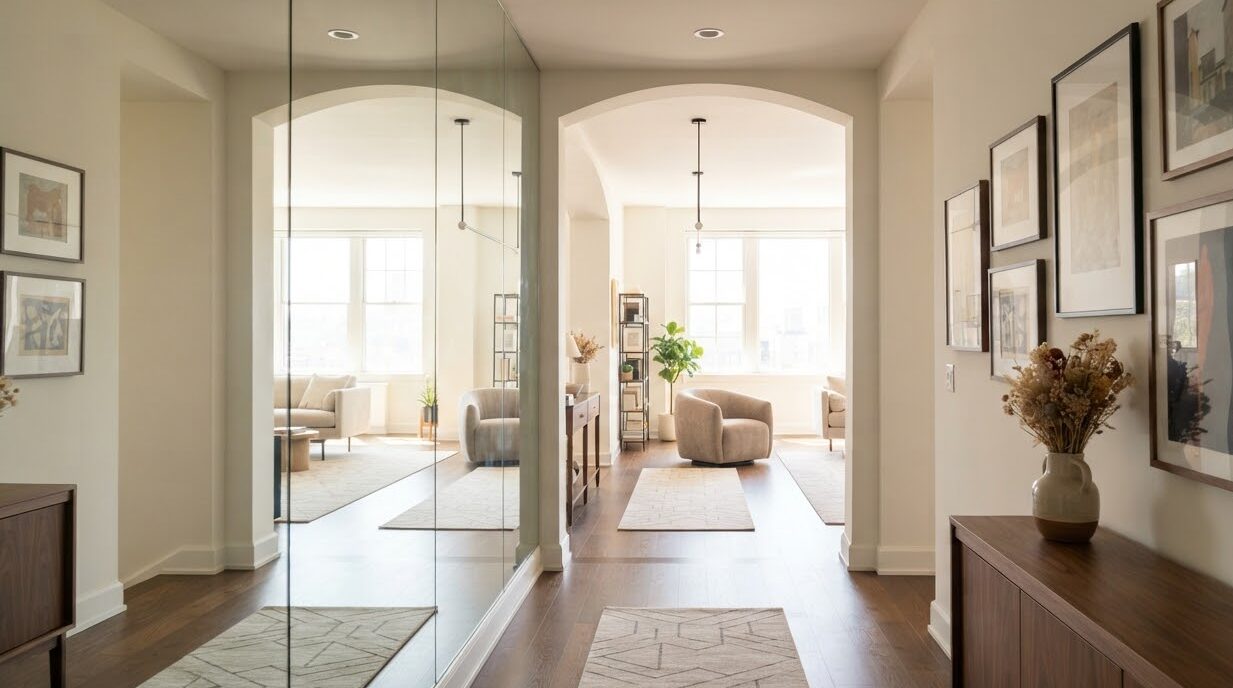
Mirrors are a classic interior-design trick for making compact rooms feel larger.
A strategically placed mirror can reflect light and visually extend the room. A large mirror opposite or near a window can also reflect outdoor views, making the space feel brighter and more open.
Instead of covering a small wall with several tiny mirrors, consider using one larger mirror as a focal point.
Floor-length mirrors are especially useful in bedrooms, entryways, and living rooms because they add height while providing a practical function.
Try this: Place a large decorative mirror across from a window or on the wall beside a major light source.
3. Let in More Natural Light
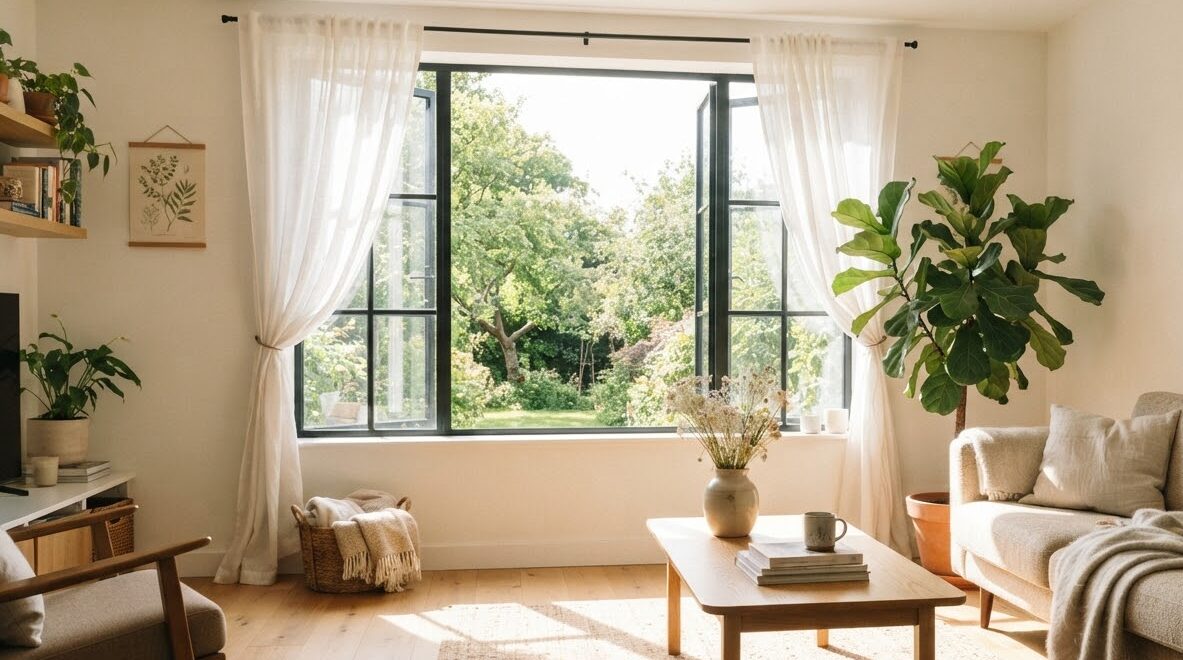
Natural light can dramatically change how large a room feels.
Heavy curtains, dark window treatments, and bulky furniture positioned directly in front of windows can make a small space feel closed in. Whenever possible, keep windows unobstructed and allow daylight to move freely through the room.
Choose lightweight curtains in white, cream, or another soft neutral. Hanging curtain rods slightly higher and wider than the window can also make the window appear larger.
If privacy is a concern, consider sheer curtains that filter sunlight without completely blocking it.
Try this: Replace heavy drapes with light-filtering curtains and keep the area around windows visually uncluttered.
4. Pick Furniture That Fits the Room
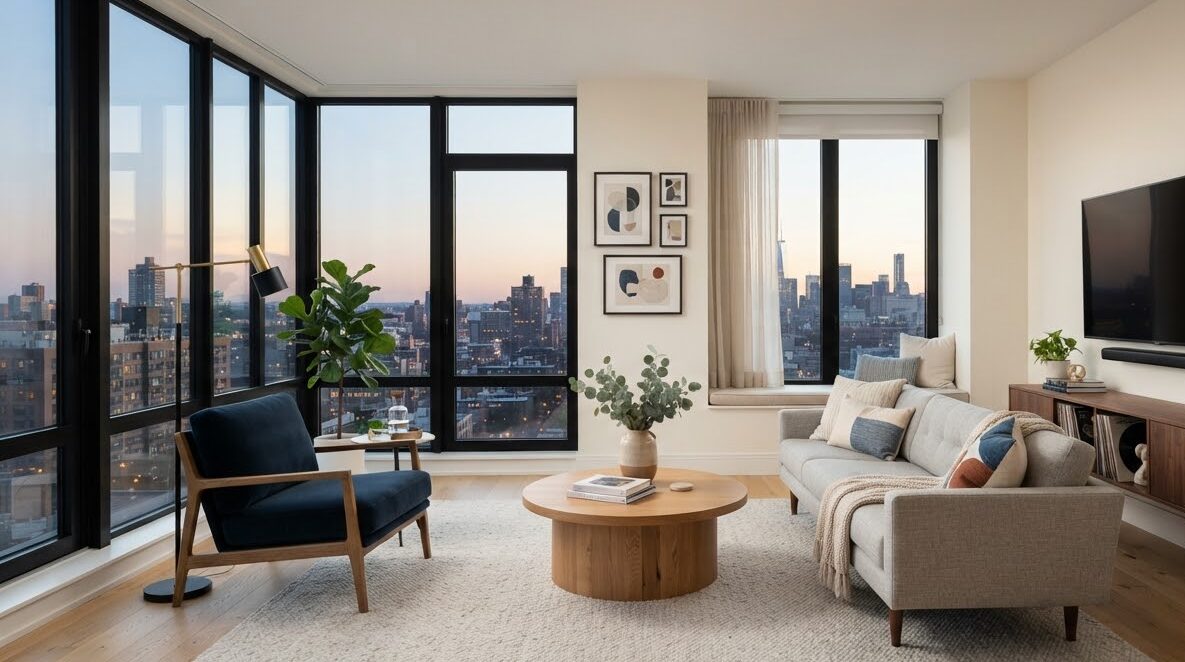
Furniture size matters enormously in a small home.
A huge sectional sofa may look comfortable in a large showroom but can overwhelm a compact living room. Instead, choose furniture that fits the room’s proportions.
Look for sofas with slimmer arms, raised legs, compact dining tables, narrow consoles, and chairs with an open visual profile. Furniture with visible legs can allow more of the floor to remain visible, creating a lighter appearance.
However, small doesn’t mean you need to buy lots of tiny furniture pieces. Too many small items can actually make a room feel cluttered.
The goal is to select fewer, appropriately sized pieces that serve the room well.
Try this: Before buying furniture, measure the room and use painter’s tape to mark the furniture’s approximate footprint on the floor.
5. Choose Multi-Functional Furniture
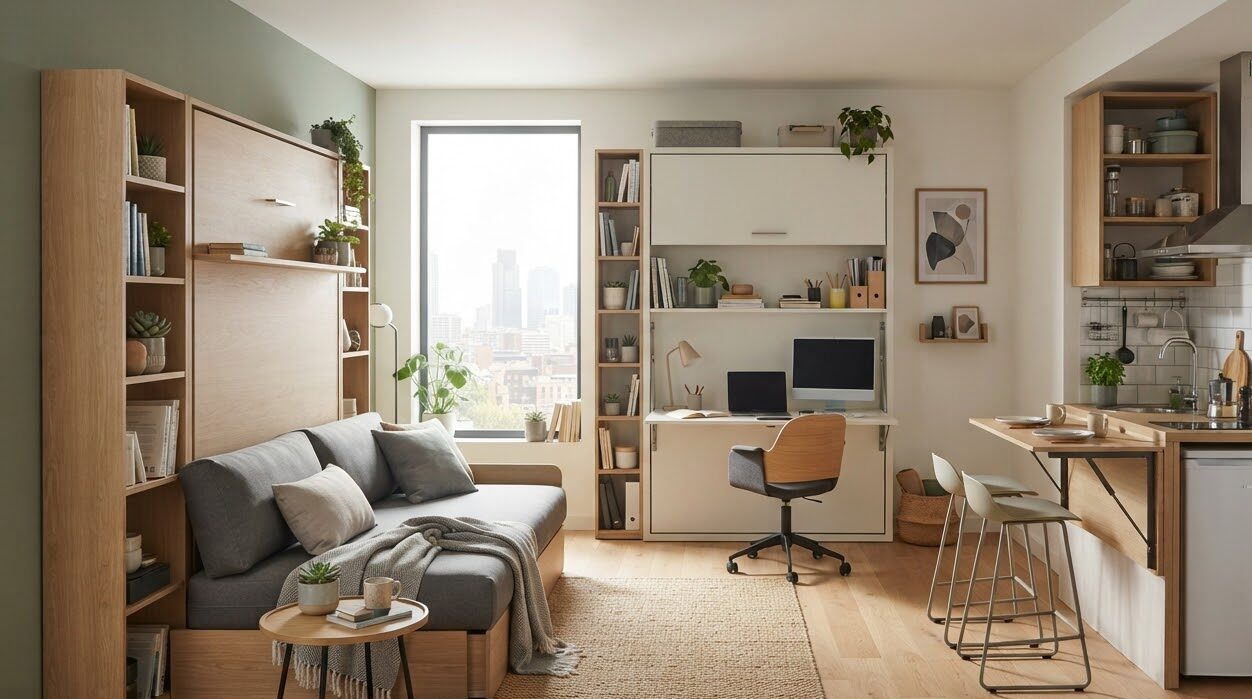
When square footage is limited, every piece of furniture should ideally work harder.
Multi-functional furniture allows you to combine several purposes into one item. An ottoman can provide seating, serve as a coffee table, and offer hidden storage. A storage bed can keep extra bedding organized. A console table can function as a workspace when needed.
Other useful options include:
- Extendable dining tables
- Storage benches
- Nesting tables
- Sleeper sofas
- Fold-down desks
- Beds with built-in drawers
- Ottomans with hidden storage
This approach reduces the number of separate objects competing for floor space.
Try this: Look at each major furniture piece and ask, “Can this serve more than one purpose?”
If the answer is no, consider whether you actually need it.
6. Keep the Floor and Walkways Clear
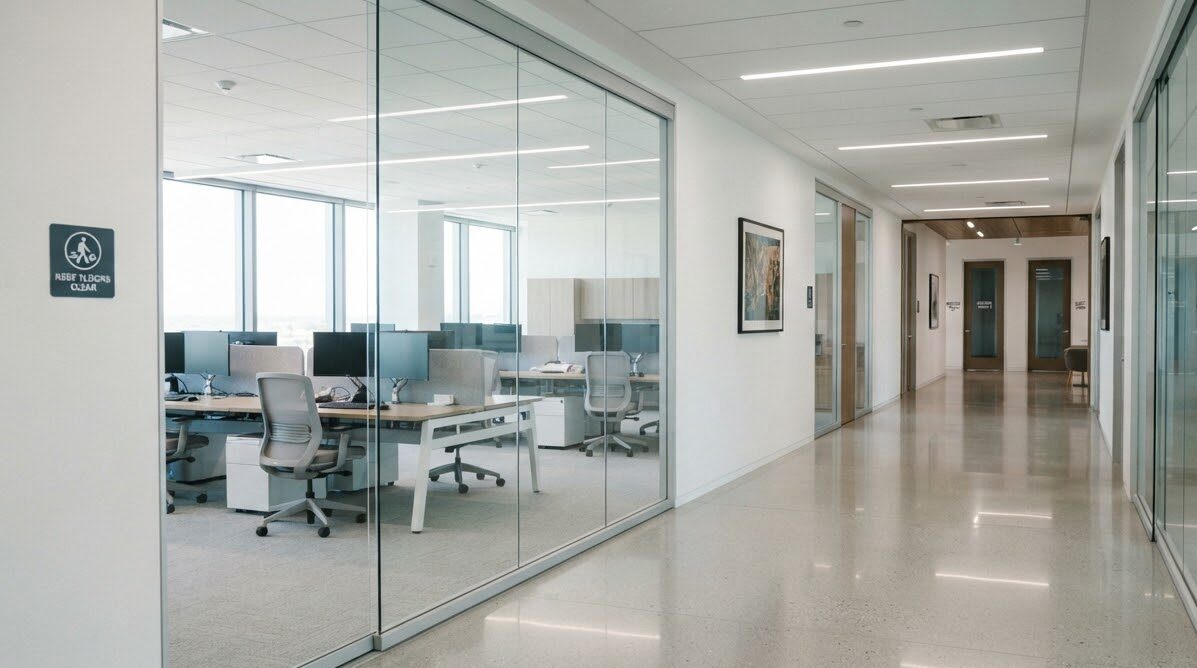
A room can have plenty of physical space but still feel cramped if the floor is covered with furniture and accessories.
Clear walkways create better visual flow and make the room easier to move through. Try to avoid placing unnecessary furniture near doorways or in the natural path between rooms.
Floating furniture slightly away from walls can sometimes improve the flow of a room, while wall-mounted pieces can free up valuable floor space.
For example, a wall-mounted TV can eliminate the need for a large entertainment cabinet. Floating shelves can provide storage without taking up floor space.
Try this: Walk through your room and identify anything that blocks movement. Removing even one unnecessary piece can make a noticeable difference.
7. Use Vertical Space
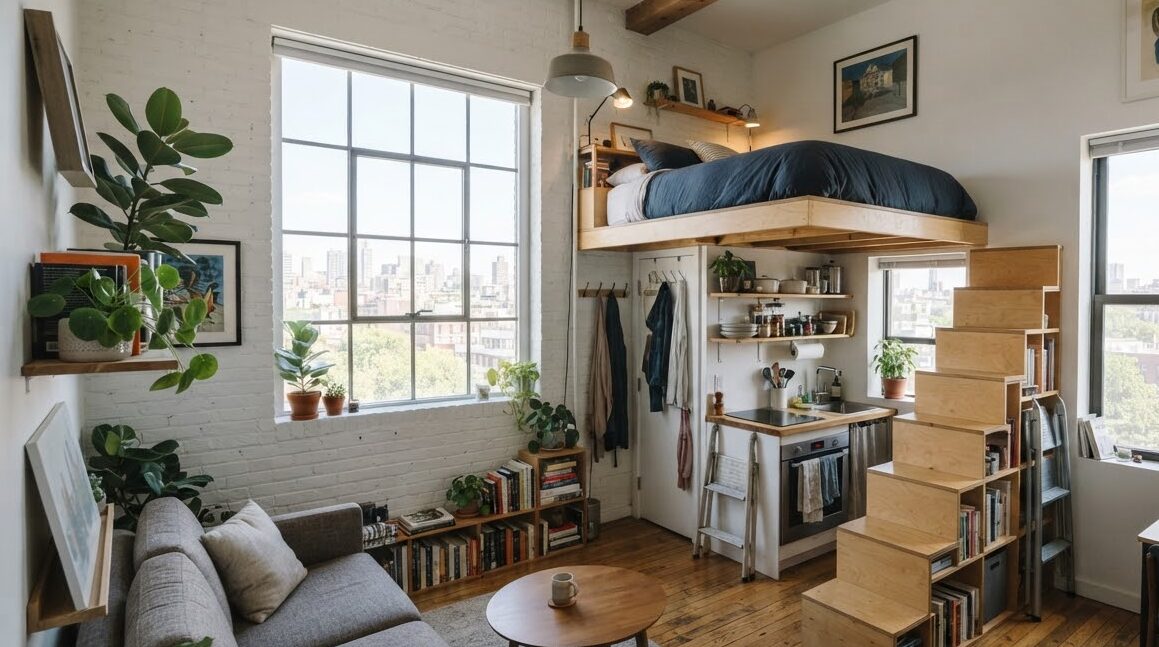
When floor space is limited, look upward.
Vertical storage and decoration can draw the eye toward the ceiling, making a room feel taller. Tall bookcases, vertical artwork, floor-to-ceiling curtains, and high-mounted shelving can all emphasize the room’s height.
In kitchens, vertical cabinets and wall-mounted organizers can provide additional storage without taking up valuable counter or floor space.
In bedrooms, tall wardrobes can maximize storage while maintaining a relatively small footprint.
The key is to use vertical space thoughtfully without creating visual clutter.
Try this: Install a tall bookshelf or a few streamlined floating shelves and arrange items with plenty of breathing room.
8. Declutter With Intention
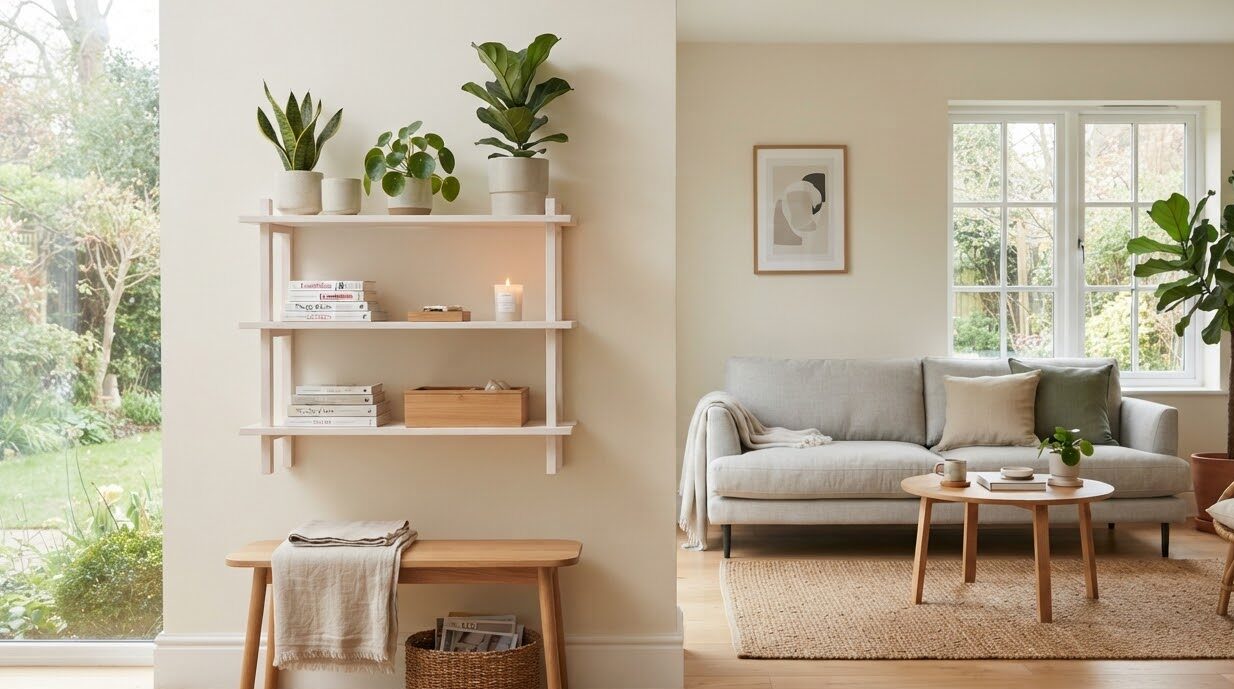
Perhaps the most important small-home design principle is simple: less visual clutter makes a room feel bigger.
You don’t have to create a completely minimalist home. Instead, focus on keeping surfaces intentional and organized.
Remove items you rarely use and give frequently used belongings designated storage spaces. Decorative pieces should complement the room rather than compete for attention.
Try grouping similar objects together instead of scattering them throughout the space. A carefully styled coffee table with a small stack of books, a candle, and one decorative object can look more polished than a table covered with unrelated items.
Closed storage is especially helpful because it keeps everyday clutter out of sight.
Try this: Choose one surface each day—such as a kitchen counter, coffee table, or bathroom vanity—and remove everything that doesn’t need to stay there.
How to Make a Small Home Feel Bigger Without Remodeling
You can create a larger-looking home without expensive renovations. Start with the changes that have the biggest visual impact: declutter the room, improve natural light, add strategically placed mirrors, use a light color palette, and choose furniture that fits the scale of the space.
Then look for opportunities to use vertical storage and multifunctional furniture.
The goal isn’t to make your home look empty. It’s to create enough visual breathing room that each element has space to stand out.
Small Home Design Mistakes to Avoid
Even beautiful furniture and décor can make a compact home feel smaller when they’re used incorrectly.
Avoid filling every wall and surface with decorations. Too many patterns, colors, and accessories can create visual noise.
Oversized furniture is another common problem. Always consider the proportions of the room before purchasing large pieces.
Dark colors aren’t completely off-limits, but using them extensively in a small, poorly lit room can make the space feel more enclosed. If you love dark colors, consider using them as accents instead.
Finally, avoid buying storage solutions without first identifying what you actually need to store. The best small-home organization system is one designed around your belongings and daily routines.
Create a Bigger-Feeling Home With Simple Changes
Making a small home feel bigger isn’t about changing everything at once. Small improvements can have a surprisingly large impact.
Start by removing unnecessary clutter. Then introduce more natural light, add a large mirror, choose lighter colors, and rearrange furniture to improve movement.
Once the basics are working, consider multifunctional furniture and vertical storage to make better use of every available inch.
Most importantly, remember that a small home doesn’t have to feel cramped. With thoughtful design, smart organization, and intentional decorating, even a compact space can feel bright, stylish, comfortable, and surprisingly spacious.