
Many health problems develop quietly. High blood pressure, high cholesterol, prediabetes, and even some cancers may cause few or no noticeable symptoms in their early stages. That is why routine health screenings can be such an important part of preventive care.
The right tests depend on your age, sex, family history, lifestyle, existing conditions, and personal risk factors. Not everyone needs every test every year. Current U.S. preventive-care recommendations generally focus on screening people at the ages or risk levels where testing is most likely to provide a benefit.
Here are 10 routine health tests and screenings worth discussing with your healthcare professional.
1. Blood Pressure Check

A blood pressure check is one of the simplest—and most useful—routine health measurements.
High blood pressure, or hypertension, often has no obvious symptoms. Over time, uncontrolled high blood pressure can increase the risk of heart disease, stroke, and kidney disease.
The U.S. Preventive Services Task Force (USPSTF) recommends screening adults age 18 and older for hypertension. For adults 40 and older or those at increased risk, annual screening is reasonable; younger adults with normal readings and no increased risk may need screening less frequently. An elevated office reading should generally be confirmed with measurements outside the clinical setting before a diagnosis is made.
Why it matters: A quick blood pressure check can identify a major cardiovascular risk factor before complications develop.
2. Cholesterol Test
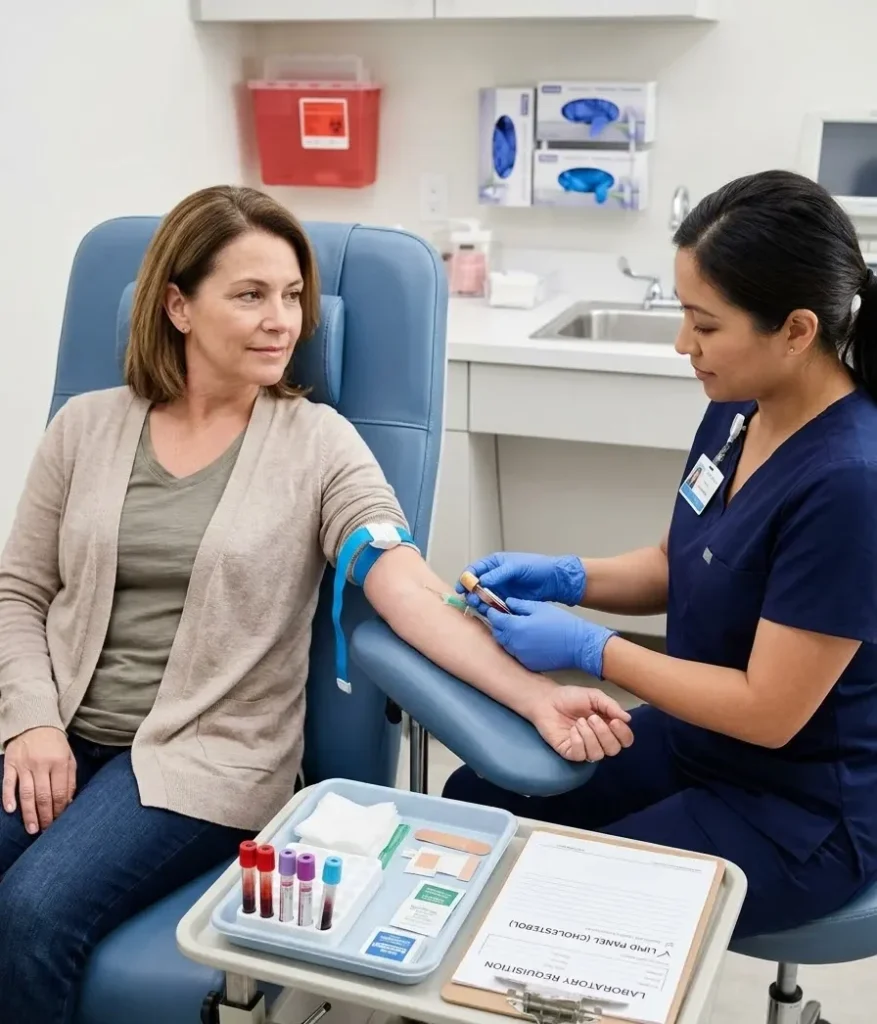
A cholesterol test, commonly called a lipid panel or lipid profile, measures blood fats such as LDL and HDL cholesterol and triglycerides.
High cholesterol usually does not cause symptoms, so you cannot reliably tell whether your cholesterol is elevated without testing. The CDC notes that many healthy adults should have cholesterol checked every 4 to 6 years, although people with heart disease, diabetes, or a family history of high cholesterol may need more frequent testing.
Your healthcare professional can use your cholesterol results along with other factors to estimate cardiovascular risk.
Why it matters: Identifying unhealthy cholesterol levels can help you address heart-disease risk through lifestyle changes and, when appropriate, medication.
3. Blood Sugar or Diabetes Screening
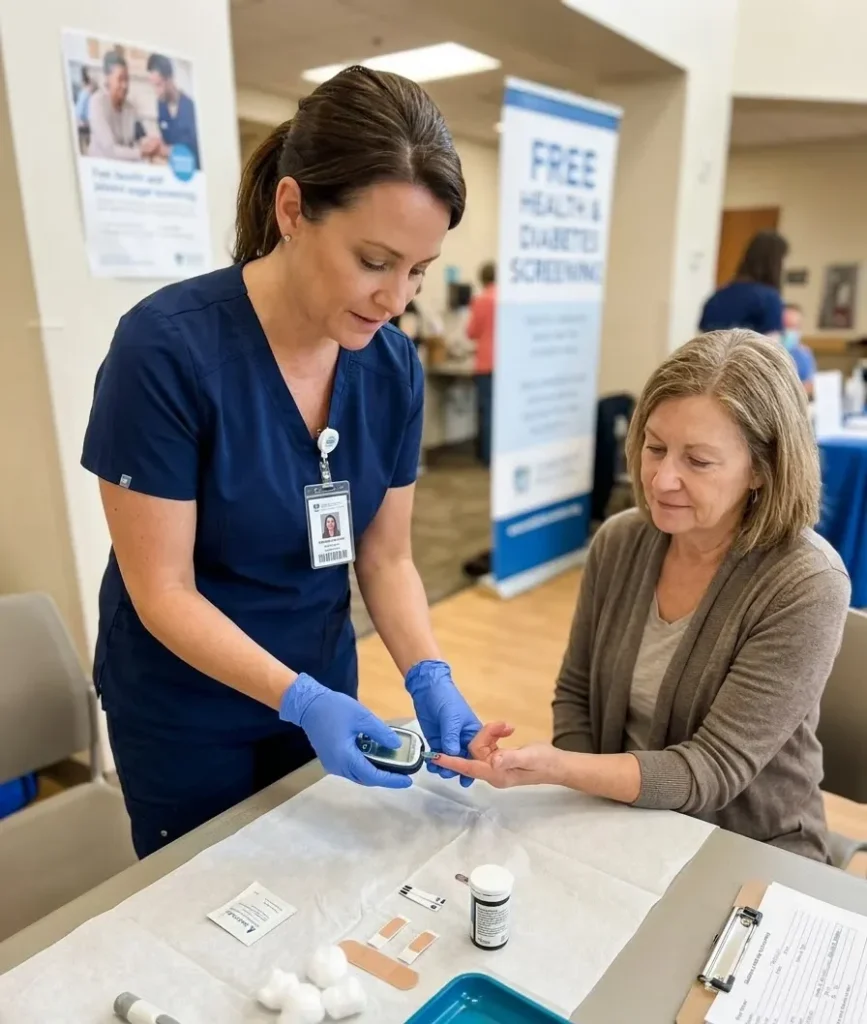
A blood glucose test or A1C test can help identify prediabetes or type 2 diabetes.
Prediabetes may not produce noticeable symptoms, but identifying it early can provide an opportunity to make lifestyle changes and potentially reduce the risk of developing type 2 diabetes.
The USPSTF recommends screening adults ages 35 to 70 who have overweight or obesity for prediabetes and type 2 diabetes.
Depending on your risk factors, your clinician may recommend fasting glucose, A1C testing, or another appropriate test.
Why it matters: Early detection can give you time to address blood sugar problems before they progress.
4. Colorectal Cancer Screening

Colorectal cancer screening is an important preventive screening for adults, and it does not necessarily mean having a colonoscopy.
For average-risk adults, the USPSTF recommends colorectal cancer screening beginning at age 45. Screening options include stool-based tests, colonoscopy, CT colonography, and flexible sigmoidoscopy, depending on the individual situation.
Different tests have different schedules and preparation requirements, so your healthcare professional can help determine which option is appropriate.
Why it matters: Screening can detect colorectal cancer earlier and can also identify certain abnormal growths that may be removed before they become cancerous.
5. Mammogram for Breast Cancer Screening
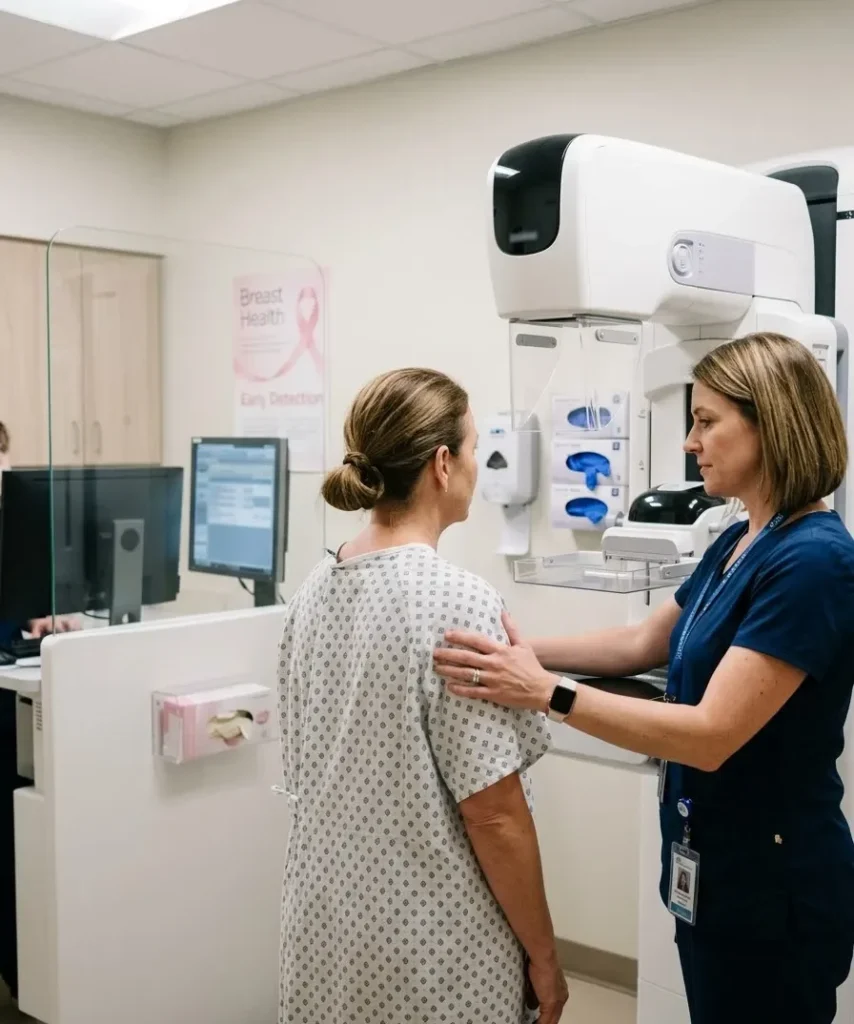
For women at average risk, mammography is an important tool for detecting breast cancer before symptoms appear.
The current USPSTF recommendation is for biennial mammography from ages 40 through 74. Individual recommendations can differ depending on personal and family history and other risk factors.
A mammogram uses low-dose X-rays to look for abnormalities in breast tissue.
Why it matters: Finding breast cancer at an earlier stage can make treatment more effective and provide more options.
6. Cervical Cancer Screening

Cervical cancer screening can detect abnormal cervical cells or high-risk human papillomavirus (HPV) before cervical cancer develops.
For women ages 21 to 29, USPSTF recommendations include cervical cytology (Pap testing) every three years. For women ages 30 to 65, options include cervical cytology every three years, high-risk HPV testing every five years, or cotesting every five years.
The appropriate schedule may vary based on previous results, medical history, and other circumstances.
Why it matters: Regular screening can identify precancerous changes early, when they can often be treated before cancer develops.
7. Lung Cancer Screening for People at High Risk
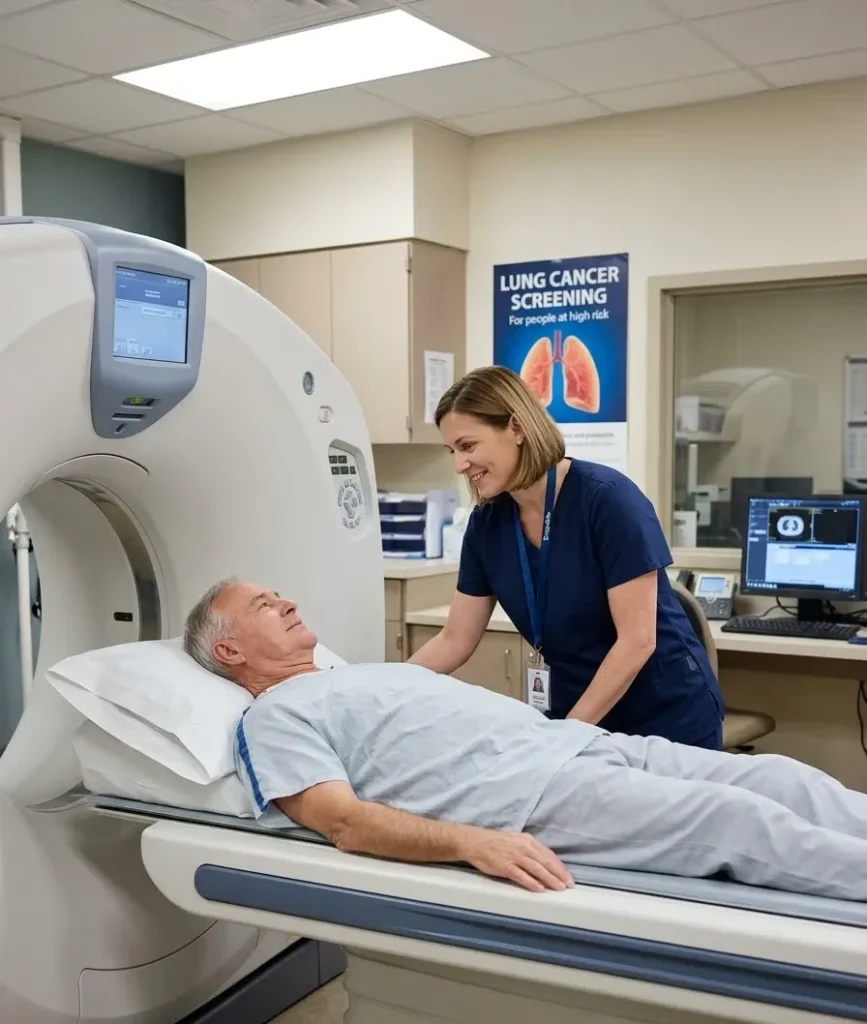
Lung cancer screening is not recommended for everyone. It is intended for adults at sufficiently high risk, primarily based on age and smoking history.
For eligible high-risk adults, the recommended screening test is a low-dose CT scan rather than a standard chest X-ray. The USPSTF includes lung cancer screening among its recommended cancer screening topics.
Because eligibility depends on factors such as age and smoking history, ask your healthcare professional whether you qualify.
Why it matters: Screening can detect lung cancer before symptoms appear in people who have a higher risk of developing the disease.
8. Bone Density Test
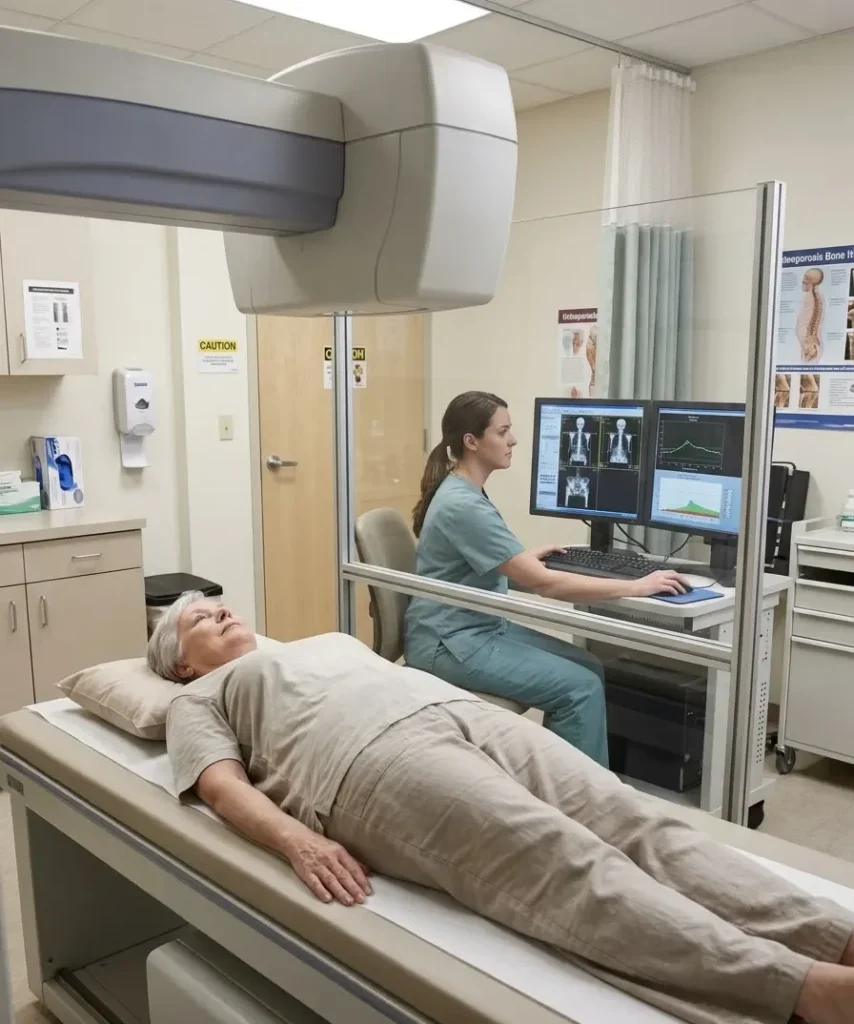
Bone density testing can help detect osteoporosis, a condition that weakens bones and increases fracture risk.
The USPSTF recommends screening women age 65 and older for osteoporosis. For younger postmenopausal women, screening may be appropriate when their risk of fracture is increased.
A bone density scan, commonly called a DEXA or DXA scan, is commonly used to evaluate bone mineral density.
Why it matters: Osteoporosis can progress without symptoms until a fracture occurs. Early identification can help people discuss strategies to protect bone health.
9. Hepatitis C Screening
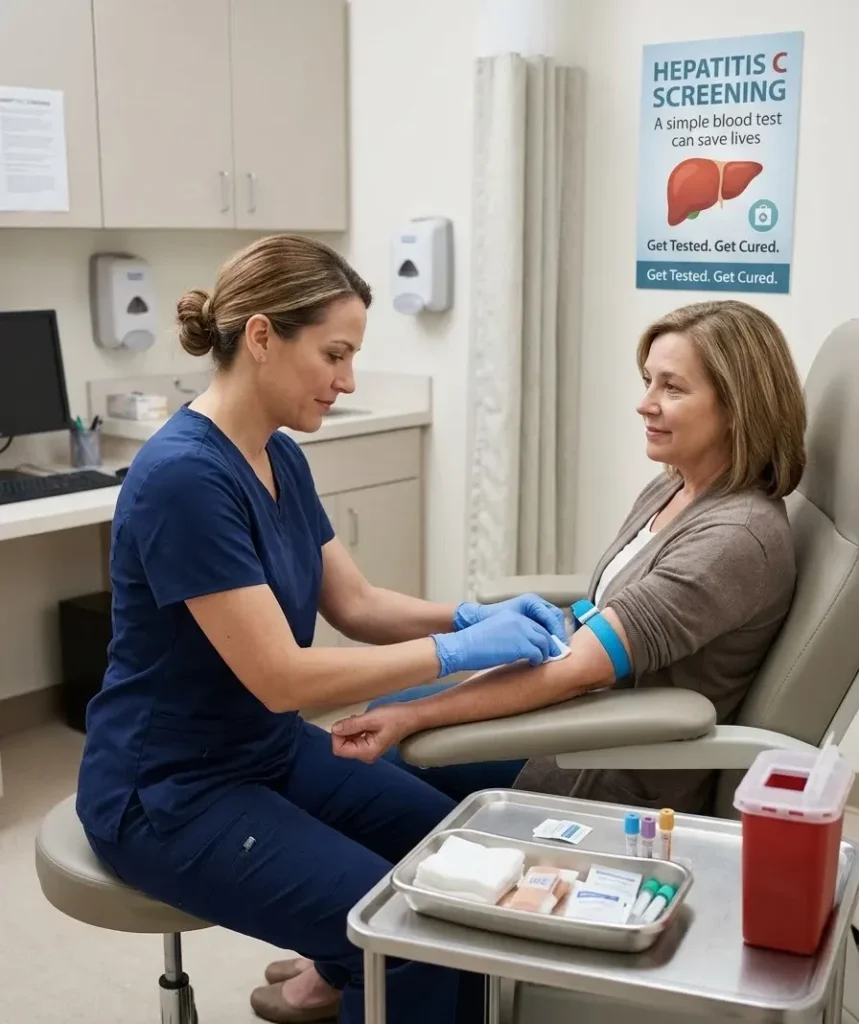
Hepatitis C is a viral infection that can damage the liver and may remain unnoticed for years.
Screening is particularly important because people can have hepatitis C without obvious symptoms. A blood test can determine whether further evaluation is needed.
The appropriate screening schedule depends on current guidelines, age, risk factors, and previous testing. People with certain exposures or ongoing risks may need additional testing.
Why it matters: Detecting hepatitis C can allow appropriate medical evaluation and treatment before significant liver damage develops.
10. HIV Screening
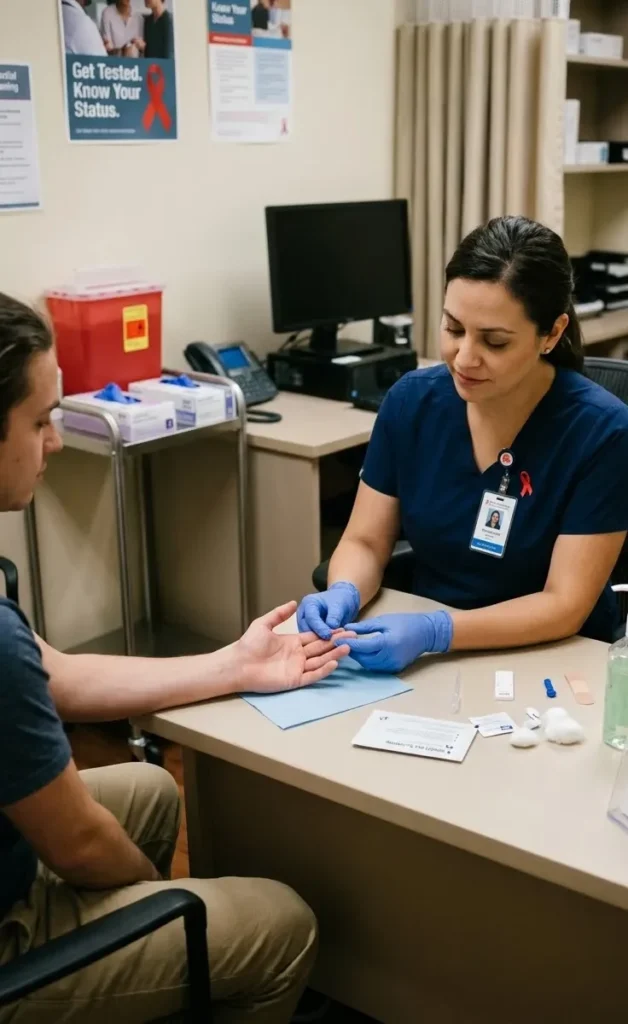
HIV screening is another preventive health test that can detect an infection that may initially cause few or nonspecific symptoms.
Testing recommendations depend on age, sexual and other risk factors, pregnancy status, and individual circumstances. People with ongoing risk may need repeat testing rather than a single lifetime test.
Why it matters: Early diagnosis allows people to access effective treatment and take steps that protect their health and reduce the chance of transmitting HIV.
Why Routine Health Testing Matters
One of the biggest misconceptions about preventive healthcare is that you need to wait until something feels wrong before getting checked.
Some of the most important screening tests are specifically designed for people who do not have symptoms. For example, high blood pressure and high cholesterol can remain unnoticed, while cancer screenings can look for disease before symptoms develop. The CDC notes that recommended cancer screening can help find breast, cervical, colorectal, and lung cancers earlier, when treatment is more likely to work well.
However, more testing is not always better. A test can sometimes produce false-positive results, unnecessary follow-up procedures, anxiety, or treatment that provides little benefit. That is why preventive screening should be based on evidence, age, risk factors, and your individual health history.
How Often Should You Get Health Tests?
There is no single schedule that works for everyone.
Your recommended screening schedule can depend on:
- Your age
- Sex and reproductive history
- Family medical history
- Smoking history
- Weight and lifestyle
- Previous test results
- Existing medical conditions
- Medications
- Personal cancer risk
- Other risk factors
For example, blood pressure may be checked much more frequently than colorectal cancer screening, while cholesterol testing may occur every few years for many healthy adults.
It is also important to remember that routine screening is different from diagnostic testing. If you have symptoms such as unexplained weight loss, persistent pain, unusual bleeding, a new lump, significant changes in bowel habits, chest pain, or ongoing shortness of breath, you should not wait for your next routine screening appointment. Seek medical advice promptly.
Final Thoughts
Routine health tests can play an important role in catching health problems early, sometimes before you notice any symptoms. Blood pressure checks, cholesterol testing, diabetes screening, cancer screenings, bone density testing, and infection screening can all contribute to preventive healthcare when used appropriately.
The goal is not to undergo every available test. Instead, work with your healthcare professional to create a personalized screening schedule based on your age, health history, and risk factors. Staying up to date with appropriate preventive care can help you identify problems earlier and make informed decisions about your health.